
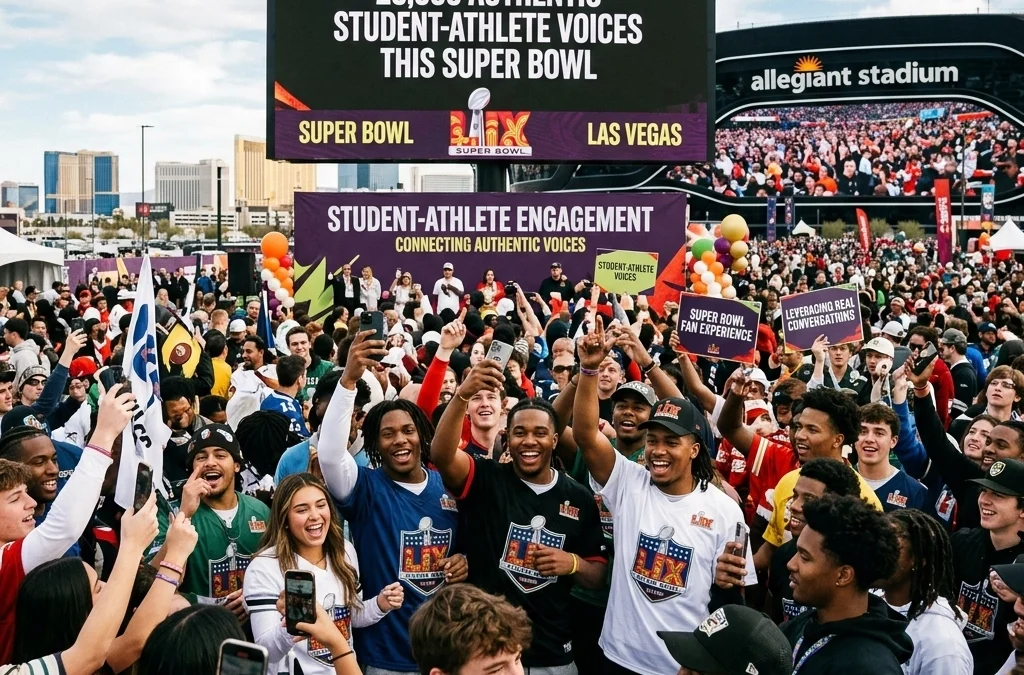
The Super Bowl remains the undisputed king of the advertising world. But by February 2026, the game changed. While the big brands were still dropping $7 million or more on 30-second television spots, a smarter, more agile group of media buyers found a different way to win. They didn't just buy a commercial. They bought a movement.
The secret weapon for Super Bowl LX wasn't a celebrity cameo or a CGI-heavy trailer. It was the power of 20,000 authentic student-athlete voices mobilized through a single NIL platform. By leveraging Name, Image, and Likeness (NIL) at scale, brands were able to permeate the digital and physical spaces where fans actually live, move, and scroll.
The Shift from Broad Reach to Deep Resonance
For decades, the Super Bowl strategy was simple: buy the biggest screen possible and hope for the best. While that still provides massive reach, it often lacks the personal connection that modern fans crave. Today's audiences, especially Gen Z and Gen Alpha, are increasingly skeptical of polished corporate messaging. They don't want to be talked at by a brand. They want to be inspired by people they follow and trust.
This is where the 2026 NIL strategy completely disrupted the market. By connecting with 20,000 student-athletes, brands didn't just get reach. They got 20,000 unique entry points into local communities, campus cultures, and loyal fanbases. It was the difference between a single loud shout and a massive, coordinated chorus.
Scaling Authenticity with NIL Platforms
The biggest hurdle for media buyers in the past was the sheer logistics of NIL. Managing five or ten athletes is a full-time job. Managing 20,000 sounds like a nightmare. However, the evolution of NIL platforms by 2026 has made this process as simple as buying programmatic display ads.
These platforms act as a central hub where brands can set their parameters, define their messaging, and deploy campaigns across thousands of creators simultaneously. This scale allows for a level of hyper-localization that was previously impossible. A brand could have a star quarterback in California, a track star in Texas, and a volleyball player in Florida all sharing the same brand story, but in their own voice and tailored to their specific audience.
Why Student-Athletes are the Ultimate Super Bowl Influencers
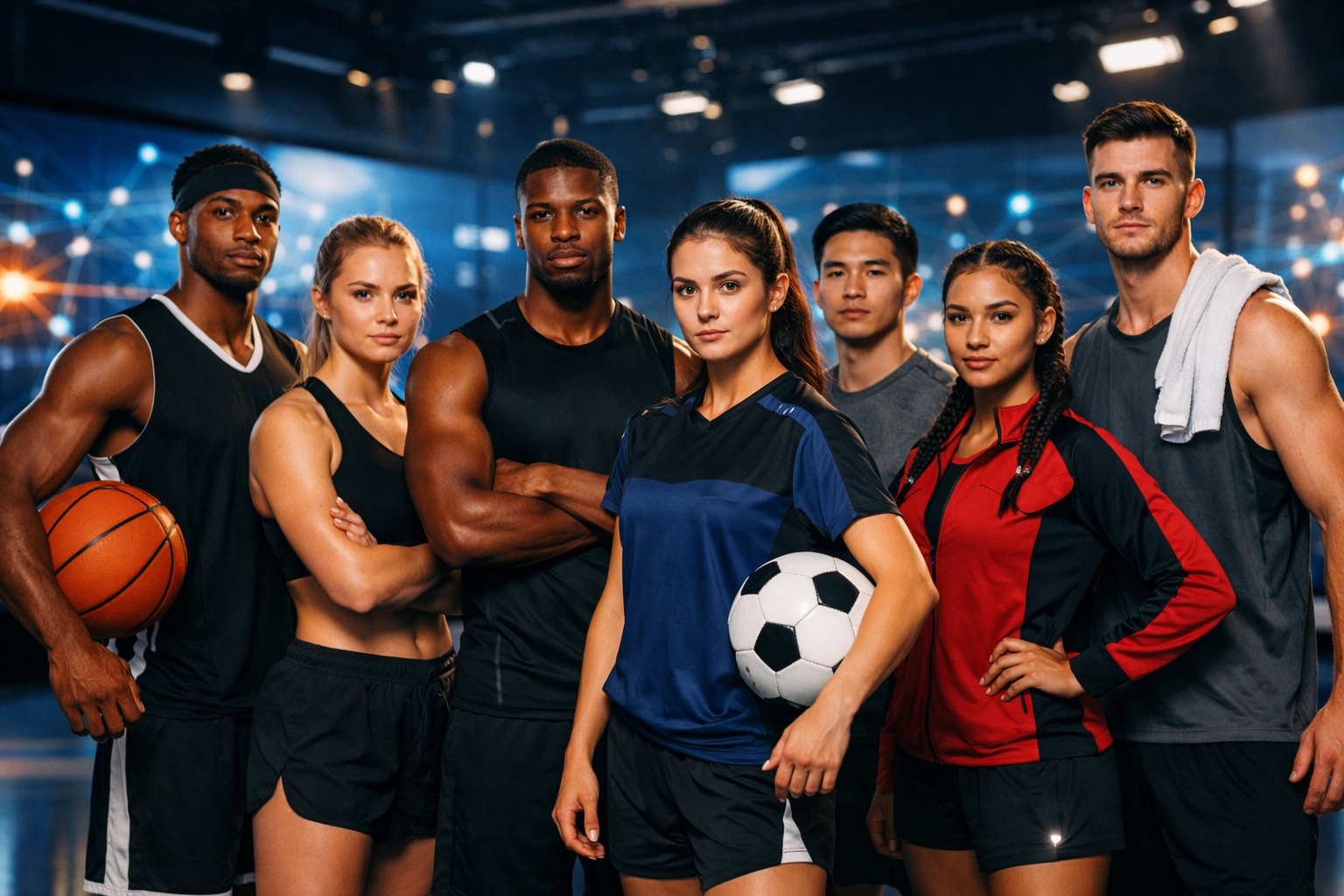
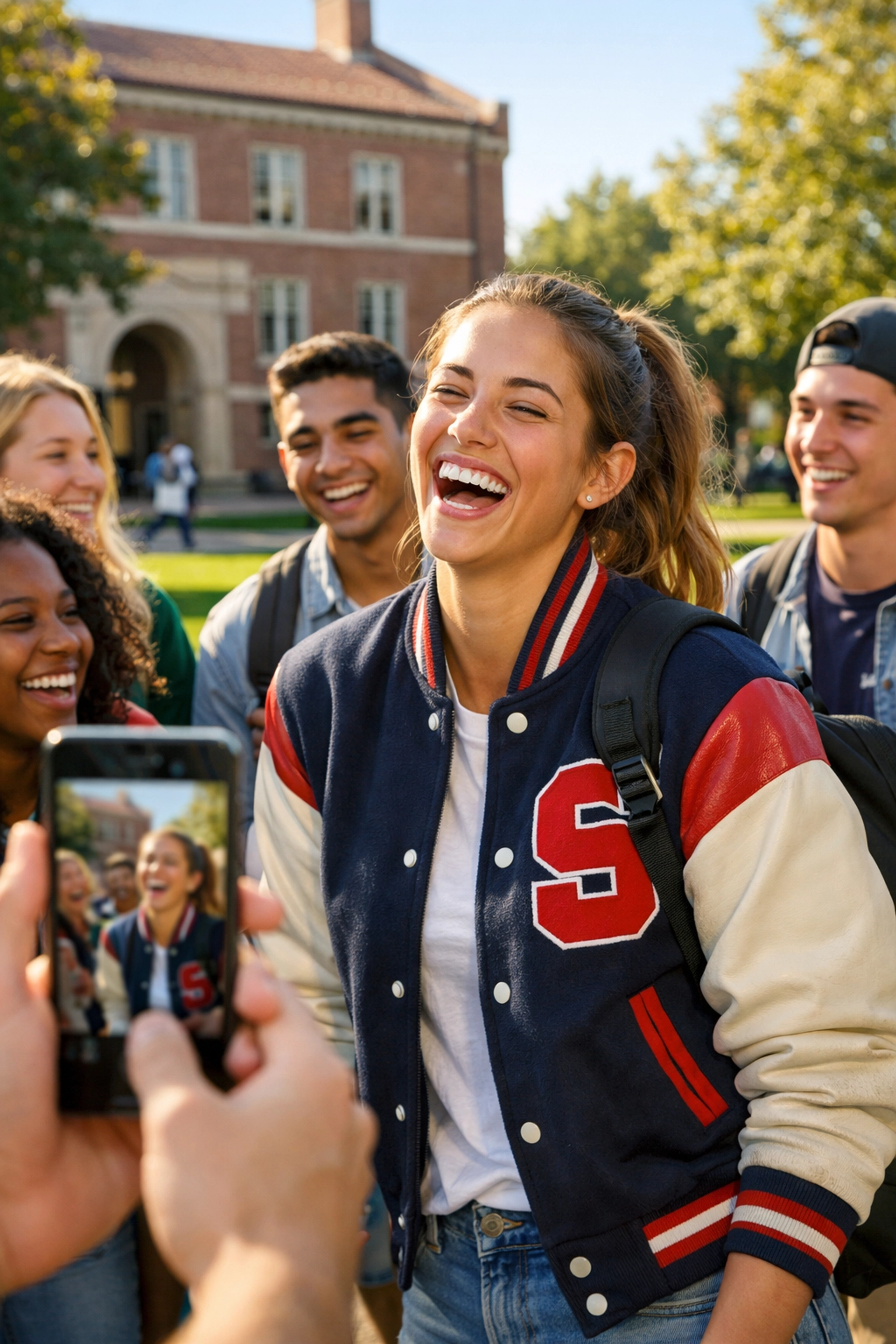
Student-athletes are not just influencers. They are community pillars. Their followers aren't just passive observers. They are fans who have an emotional investment in the athlete's success. When a student-athlete shares a brand experience during the Super Bowl window, it feels less like an ad and more like a recommendation from a friend.
Furthermore, the timing of the Super Bowl aligns perfectly with the peak of the college basketball season and the lead-up to spring sports. The energy on campuses is electric, and student-athletes are at the center of that buzz. By tapping into this network, brands can capture the "halo effect" of the big game without the massive price tag of official league sponsorships.
Integrating NIL with Digital Out-of-Home (DOOH)
The most successful campaigns of 2026 didn't keep these voices siloed on social media. They brought them into the physical world. This is where the synergy between NIL and programmatic DOOH became a game-changer.
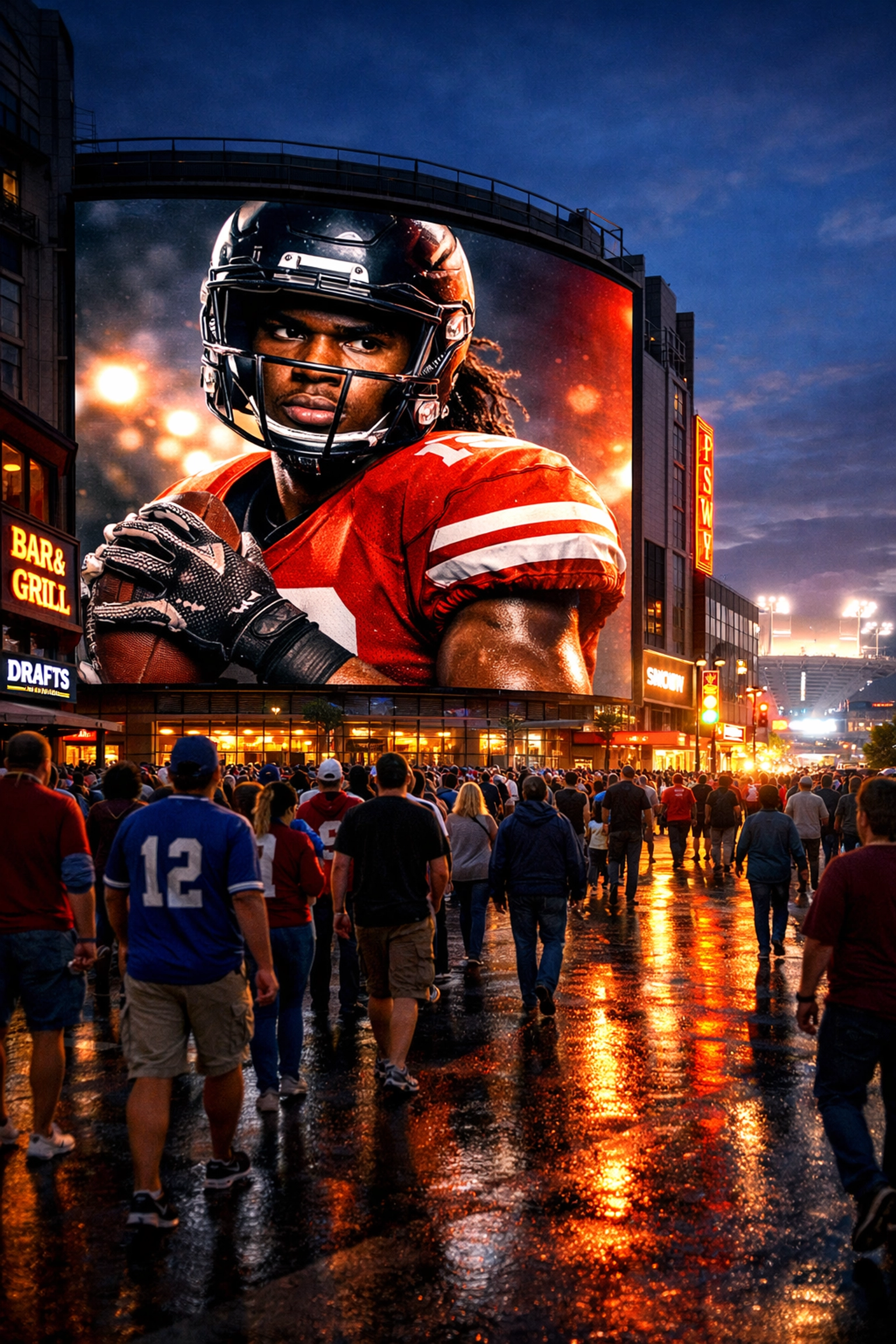
Imagine a fan walking toward the stadium or hanging out at a local sports bar. On a digital billboard nearby, they see a familiar face, a star athlete from their local university, promoting a brand. Then, five minutes later, they see a post from that same athlete on their Instagram feed. This multi-touchpoint approach creates a sense of ubiquity.
OOH Sports has seen a massive shift in how media planners allocate their budgets. According to recent data, 67% of media planners are shifting their budgets toward these integrated models by 2026. The ability to sync digital influencer content with real-world advertising creates a surround-sound effect that traditional television spots simply can't match.
The Power of 20,000 Voices: A Visual Breakdown
To understand how this looks in practice, check out this video detailing the strategy of massive-scale NIL activation:
https://www.youtube.com/watch?v=l6J-0zileKE
Cutting Through the Super Bowl Noise
The Super Bowl is the loudest day of the year. For a brand to stand out, it has to do something different. Using 20,000 student-athlete voices allows a brand to "own" the conversation in a way that feels organic.
While a traditional TV ad is a one-and-done moment, an NIL campaign is a sustained conversation. These athletes post in the weeks leading up to the game, during the festivities, and in the post-game recap. This longevity ensures that the brand remains top-of-mind long after the final whistle blows.
The ROI of Authenticity
Is it worth it? The data says yes. When comparing the cost-per-impression of a Super Bowl TV spot versus a scaled NIL and DOOH campaign, the latter often provides a much higher return on investment.
By targeting specific demographics through athlete followers and using AI-powered DOOH analytics, brands can prove exactly how many people saw the content and how it influenced their behavior. This level of accountability is pushing the industry toward the 50 billion dollar DOOH sports advertising milestone projected for 2030.
Making Traditional Stadium Ads Work Harder
It is not just about replacing traditional ads. It is about making them better. Traditional stadium sponsorships are evolving. By integrating student-athlete voices into the digital screens surrounding the stadium, brands can breathe new life into static placements.
The question isn't whether traditional ads are dead. The question is how they are changing. As 25,000 digital screens change the face of sports marketing, the brands that win are those that find the bridge between the old way and the new way.
How to Get Started for the Next Season
If you are a media buyer looking at the landscape for 2026 and beyond, the blueprint is clear:
- Identify the Platform: Choose an NIL platform that can handle massive scale and provides robust reporting.
- Define the Voice: Don't micromanage the athletes. Give them the "guardrails" but let them create content that fits their own brand.
- Bridge the Gap: Use DOOH to bring those digital voices into the real world. Sync your social campaigns with your physical ad placements.
- Measure Everything: Use programmatic tools to track engagement, foot traffic, and brand lift.
Final Thoughts from the Field
The Super Bowl will always be about the big moments. But in 2026, those moments are increasingly happening on the small screens in our pockets and the smart screens on our streets. By leveraging 20,000 authentic student-athlete voices, OOH Sports is helping brands not just watch the game, but become a part of it.
Authenticity isn't just a buzzword. It's the most valuable currency in advertising. And when you have 20,000 voices telling your story, everyone is going to listen.

For more insights on how to dominate the sports marketing space, visit OOH Sports and explore our latest strategies for the 2026 season and beyond.