
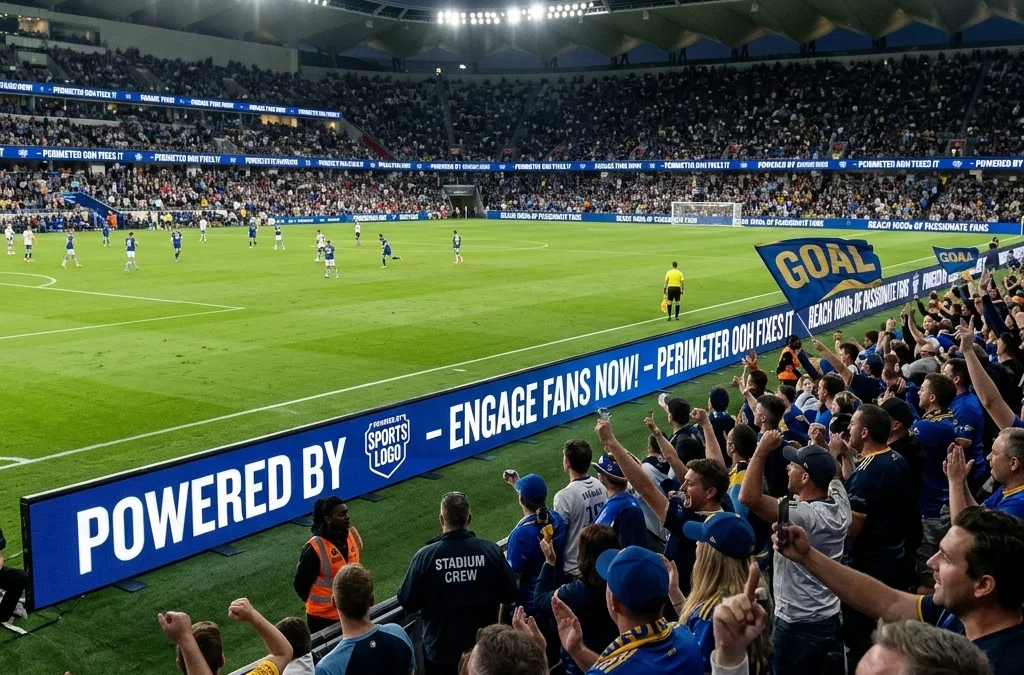
The challenge of capturing fan attention in a modern stadium environment is more complex than ever before. With high-definition screens in every pocket and an endless stream of social media updates, the live game experience is constantly competing for focus. For creative directors and CMOs, traditional engagement strategies often fall short because they rely on outdated methods of interaction.
When a fan walks into a stadium, they are looking for an immersive experience. If a brand fails to integrate into that experience naturally, it becomes background noise. Perimeter Out-Of-Home (OOH) advertising, specifically through digital LED boards that surround the field of play, offers a direct solution to this disconnect. By leveraging real-time data and high-visibility placements, brands can turn passive viewers into active participants.
Here are seven reasons why current fan engagement strategies are struggling and how a shift toward perimeter OOH can revitalize brand presence.
1. Static Messages in a High-Speed Environment
Many brands still rely on static signage that remains unchanged throughout a three-hour game. While a logo on a wall provides brand recognition, it does not drive engagement. In a fast-paced sports environment, the human eye is naturally drawn to movement and change.
Perimeter OOH fixes this by providing dynamic, digital displays that can shift based on the action on the field. When a goal is scored or a home run is hit, the perimeter boards can instantly react with celebratory animations. This synchronization ensures that the brand is part of the high-emotion moments of the game. Digital flexibility allows marketers to swap creatives instantly, ensuring the message stays as fresh as the game clock.
2. The High Cost of Exclusive Stadium Sponsorships
Traditional stadium sponsorships often require multi-million dollar commitments and long-term contracts. These "all-or-nothing" deals frequently price out agile brands that want to reach sports fans without exhausting their entire annual budget on a single venue.
Smart brands are now scaling with perimeter DOOH for significantly less investment. By utilizing programmatic platforms, advertisers can buy specific moments or blocks of time rather than a permanent sign. This lowers the barrier to entry while maintaining high impact. You can learn more about how brands are shifting their budgets in this comparison of stadium sponsorships versus perimeter DOOH.

3. Lack of Real-Time Contextual Relevance
A common mistake in fan engagement is delivering a message that has nothing to do with the current state of the game. For example, showing an ad for a cold beverage when the home team is losing in the final minutes can feel tone-deaf or simply irrelevant.
Perimeter OOH allows for real-time triggers. If the temperature in the stadium rises above a certain point, a brand can trigger an ad for a refreshing drink. If a specific player is about to break a record, the creative can update to acknowledge the milestone. This level of context makes the brand feel like a fellow fan rather than an outside intruder. This is particularly effective for real-time sports betting campaigns that need to reflect live odds.
4. Fragmented Fan Data and Poor Targeting
Most engagement strategies suffer from data silos. Marketing teams may have ticket buyer data, but they lack insight into who is actually looking at the boards in the stadium at 4:00 PM on a Saturday. Without a unified view of the audience, the creative remains generic.
Perimeter OOH, when combined with AI-powered analytics, bridges this gap. By analyzing mobile device density and fan demographics within the stadium perimeter, brands can tailor their digital OOH content to the specific crowd in attendance. This data-driven approach ensures that a luxury car brand isn't wasting impressions on a college student section, and vice versa.
5. The "Black Hole" of Measurement
One of the biggest frustrations for CMOs is the inability to prove the ROI of stadium advertising. Traditionally, a brand would buy a sign and hope for the best, with very little data to show how many people actually saw it or took action.
Modern perimeter OOH utilizes programmatic measurement tools to track reach, frequency, and even brand lift. By using exposed device IDs, brands can retarget fans who were in the stadium with digital ads on their phones later that week. This creates a full-funnel marketing strategy that begins with a massive physical presence and ends with a measurable conversion. For those tired of guesswork, AI-powered DOOH analytics provide the necessary proof of success.
6. Ignoring the "Second Screen" Synergy
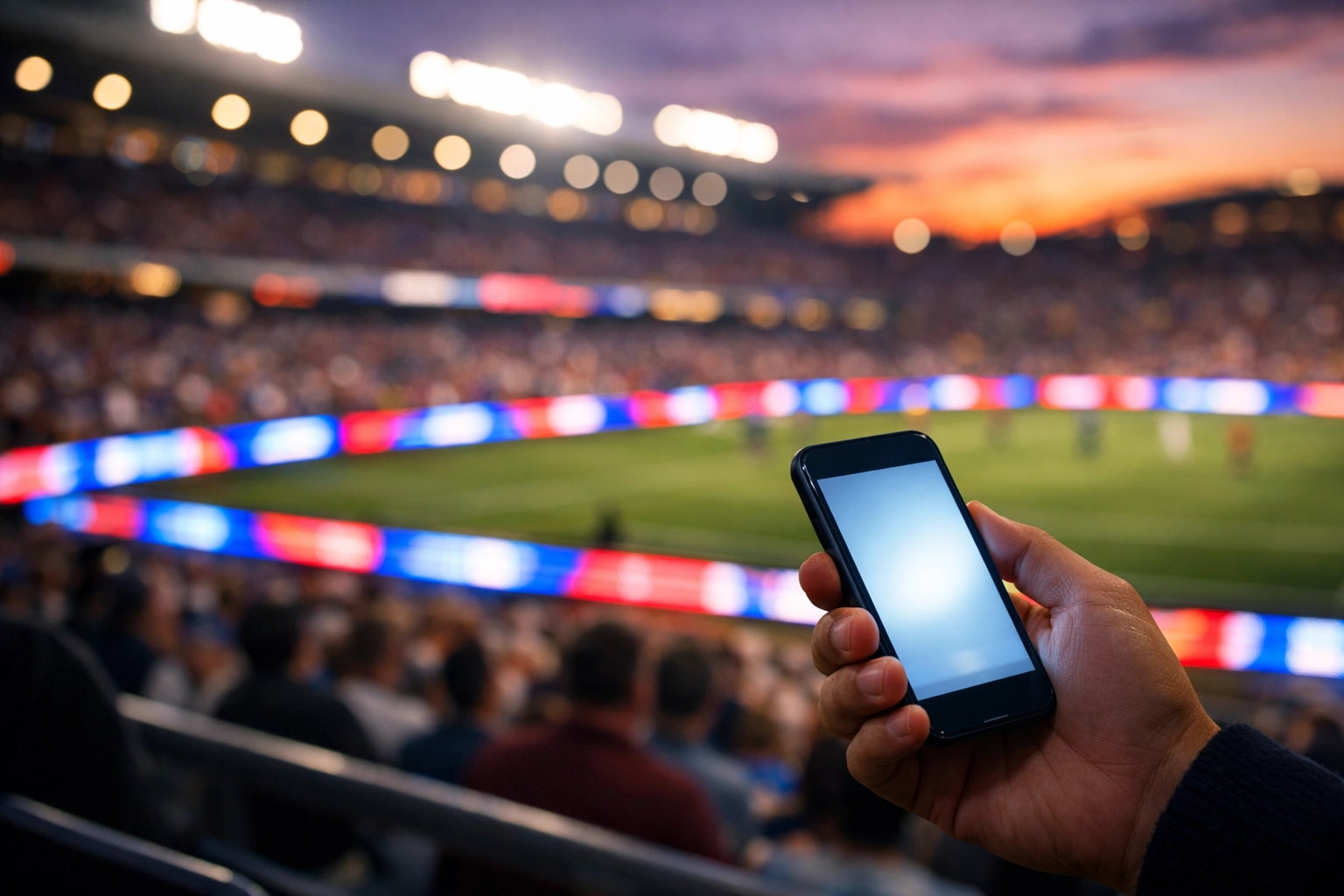
Fans are constantly looking at their phones during games, but many brands treat the stadium screen and the mobile screen as two separate worlds. When an engagement strategy ignores the phone in the fan's hand, it misses the opportunity for immediate interaction.
Perimeter OOH can bridge this gap through QR codes or "text-to-win" prompts that appear during breaks in the action. Because the perimeter boards are within the line of sight of both the live crowd and the television cameras, they serve as a primary anchor for omnichannel campaigns. A well-timed prompt on the perimeter board can drive thousands of fans to a mobile landing page simultaneously, creating a spike in engagement that social media alone cannot replicate.
7. Over-Reliance on Brand-Centric Messaging
Many engagement strategies fail because they focus too much on the brand and not enough on the fan. Fans are at the stadium for the sport, not the commercials. If an ad feels like a disruption, the fan will tune it out.
The fix is a transition from brand-centric to fan-centric content. Perimeter OOH is the perfect medium for this because it can display live stats, social media feeds from other fans, or interactive polls. When a brand provides value (like the score of another game or a player's season stats), the fan develops a positive association with that brand. This approach has been proven to deliver better ROI because it builds a relationship based on shared interest in the game.
The Strategy for Success: Implementation and Logistics
To fix a failing fan engagement strategy, a brand must move toward a more integrated, digital-first approach. At OOH Sports, the focus is on maximizing the impact of those 25,000+ digital screens across the sporting landscape.
The process begins with identifying the objective. Is the goal to increase purchase consideration? Or is it to drive a 119% lift in positive brand image, similar to the results seen in the AB InBev Mike’s Hard Iced Tea campaign?
Once the objective is clear, the logistics involve:
- Selecting the Right Venues: Targeting specific stadiums where the fan demographic matches the target consumer.
- Dynamic Creative Assets: Developing a library of assets that can be triggered by game events.
- Programmatic Integration: Using platforms like StackAdapt to manage the buy with the same precision as a digital display campaign.
- Post-Game Attribution: Analyzing foot traffic or online search lift following the event to measure the campaign’s true impact.
Why Perimeter OOH is the Future of Branding
Perimeter advertising is no longer just about putting a logo on a board. It is about dominating the visual landscape of the most passionate audiences on earth. Whether a fan is sitting in the front row or watching a highlight clip on their phone the next day, the perimeter boards are almost always in the shot.
By addressing the seven common pitfalls of fan engagement, brands can move from being background noise to becoming a vital part of the sports narrative. The shift from traditional, static placements to programmatic, perimeter-based digital OOH is not just a trend. It is a necessary evolution for any brand that wants to stay relevant in the eyes of the modern fan.

For those looking to refine their approach, avoiding common mistakes with sports DOOH is the first step toward building a strategy that actually works. The tools are available, the screens are waiting, and the fans are ready to be engaged. It is simply a matter of meeting them where they are looking.
For more information on how to scale your sports marketing efforts, visit OOH Sports.