
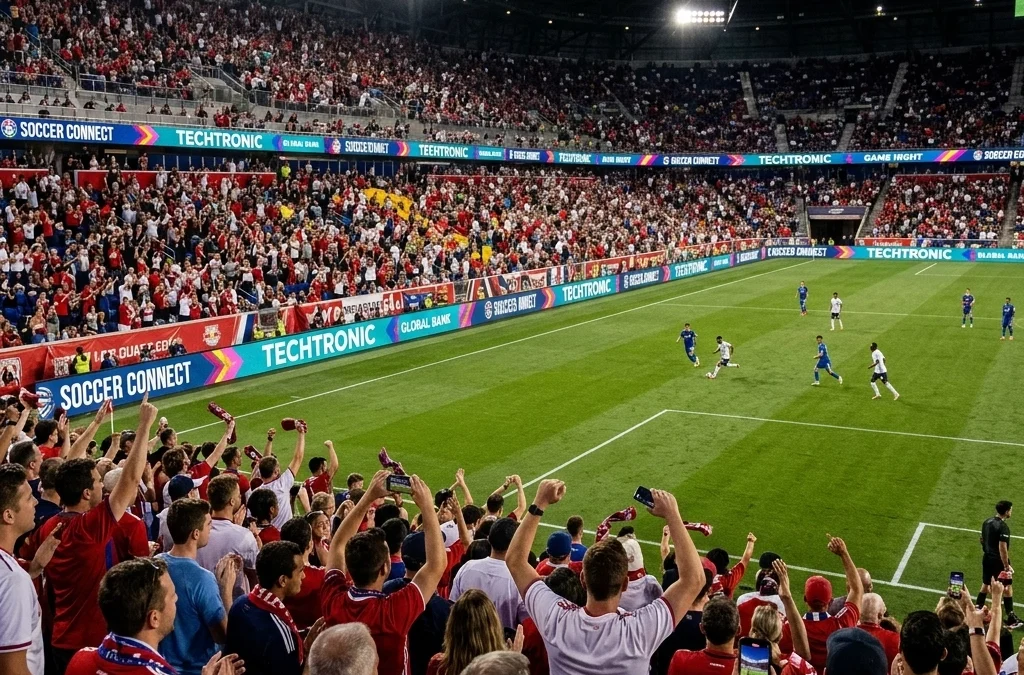
High-performance marketing in the sports industry requires more than a massive budget and a recognizable logo. It requires an understanding of the psychological state of a fan during live competition. Many brands fail to realize that a sports fan is not a standard consumer. While a person scrolling through a retail app might be looking for a bargain, a person in a stadium is looking for a victory. This emotional difference changes how advertising is perceived.
Despite the growth of digital channels, stadium perimeter advertising remains one of the most effective tools for capturing this specific audience. However, many creative directors and CMOs continue to fall into common traps that lead to wasted spend and diminished brand equity. This analysis explores seven frequent mistakes in fan engagement and outlines how stadium perimeter targeting offers a direct solution.
1. Treating Sports Fans Like Generic Consumers
The primary error in many sports marketing campaigns is the failure to recognize tribal loyalty. A sports fan is emotionally invested in the outcome of an event in a way that someone shopping for household goods is not. When a brand uses a generic ad that could appear in any airport or shopping mall, it fails to resonate with the high energy of the stadium.
Stadium perimeter advertising solves this by placing the brand directly within the field of play. Because the ad resides in the same visual space as the athletes, it naturally benefits from the prestige of the event. Instead of being an interruption, the brand becomes part of the scenery of the sport. Research into fan behavior suggests that brands appearing on the pitch or court side are often viewed as supporters of the team rather than just vendors.

2. Over-Reliance on Social Media for Live Engagement
There is a common misconception that fans are constantly looking at their phones during a live game. While social media is a powerful tool for pre-game and post-game discussion, it often loses its grip during the most critical moments of the action. When a goal is scored or a buzzer-beater is attempted, eyes are on the field, not the screen.
Relying solely on mobile devices for engagement during these peaks means missing the window of highest attention. Stadium perimeter ads are impossible to ignore during live play because they are located exactly where the fan's eyes are focused. This provides a level of unskippable visibility that mobile apps cannot match during the heat of competition.
3. Ignoring the Power of the Emotional Peak
Marketing impact is often a function of timing. Many brands allocate significant portions of their budget to low-leverage moments, such as halftime shows or post-game wrap-ups. While these segments have high viewership, they do not carry the same emotional weight as the live game.
Engagement is most effective when it is synchronized with the natural highs of the event. Stadium perimeters allow a brand to be visible during the exact moment a stadium erupts in cheers. This association between a brand and a positive emotional peak is a core driver of brand recall. By aligning digital out-of-home (DOOH) assets with game-time intensity, marketers ensure that their message is delivered when the audience is most receptive.

4. Maintaining a Static Messaging Strategy
Running the same visual throughout an entire season is a recipe for ad blindness. Frequent attendees and season ticket holders quickly become accustomed to fixed signage, eventually tuning it out entirely.
The shift toward programmatic stadium perimeter ads allows for a dynamic messaging strategy. This means brands can update their creative in real-time based on the score, the opponent, or the progression of the season. Keeping the visuals fresh ensures that the brand remains a relevant part of the fan’s visual environment. According to insights on sports DOOH strategies, brands that utilize variety and freshness see higher levels of sustained engagement over the course of a campaign.
5. Fragmented Data and Measurement
Historically, stadium advertising was difficult to measure, leading many CMOs to view it as a brand-awareness play with no tangible ROI. This lack of clear data is a significant mistake in a modern marketing landscape that demands accountability.
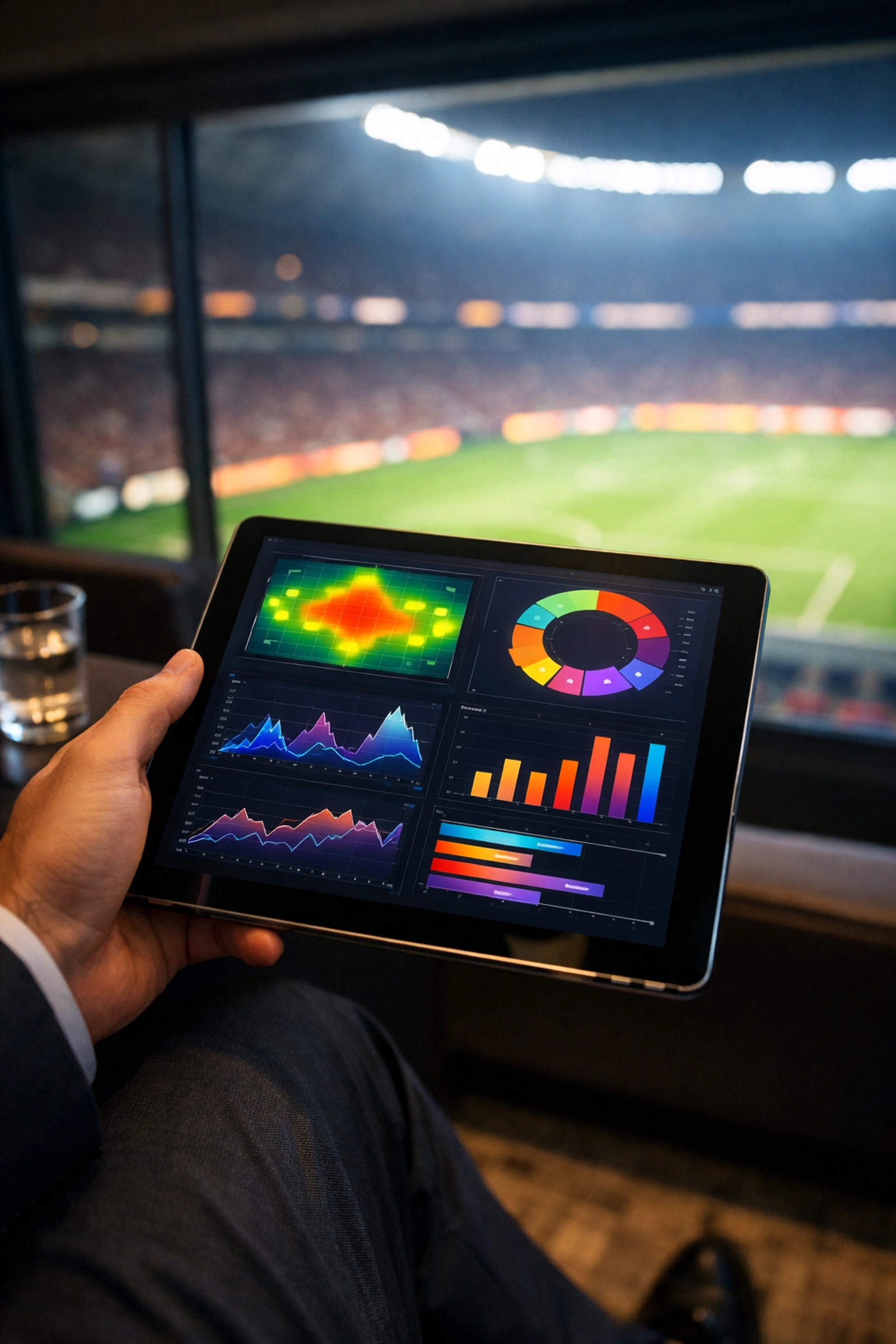
The current technology used in stadium perimeters integrates with sophisticated AI analytics. This allows brands to track exposure and correlate it with consumer behavior. For instance, AI-powered analytics can now provide proof of success by measuring how fans interact with the brand after seeing the perimeter ad. This data-driven approach moves stadium advertising from a "guesswork" expenditure to a precision-based strategy.
6. Underestimating the Prestige of Perimeter Positioning
Some brands view perimeter ads as background noise. This perspective ignores the psychological association between positioning and quality. Fans associate brands in premium court-side or pitch-side positions with the professional level of the athletes they admire.
This halo effect is a significant asset for brand image. When a company occupies the same visual plane as a world-class athlete, it inherits a sense of authority and excellence. This is particularly effective for brands looking to establish themselves as leaders in a new category. For example, campaigns for new product launches often see a massive boost in purchase consideration when associated with high-profile sporting events. White Claw demonstrated this effect with a programmatic DOOH campaign that led to a 74 percent lift in purchase consideration.
7. Neglecting Real-Time Contextual Triggers
The final mistake is treating a stadium ad like a static billboard on a highway. A stadium is a live, breathing environment where variables change by the minute. Weather conditions, traffic near the stadium, and even live betting odds can all influence fan sentiment.
Stadium perimeters that utilize real-time triggers are far more effective at driving action. For example, a sports betting brand can update the perimeter boards to show live odds as they shift during the match. This contextually relevant information provides immediate value to the fan. Strategies for real-time sports betting campaigns highlight how being in sync with the live event can significantly increase conversion rates.
Strategy and Execution
To fix these mistakes, a shift in strategy is required. Moving from traditional, static sponsorships to programmatic stadium perimeter advertising allows for greater flexibility and better ROI. The execution involves three core steps.
First, the objective must be clearly defined. Is the goal to drive immediate app downloads, or is it to improve brand sentiment? Campaigns such as those by Mike’s Hard Iced Tea have seen a 119 percent lift in positive brand image by focusing on specific brand attributes during high-visibility sports windows.
Second, the technology must support real-time delivery. Utilizing programmatic platforms ensures that the right ad reaches the right audience at the right time. This removes the logistical hurdles of traditional outdoor advertising and allows for rapid adjustments based on performance data.
Third, the measurement must be comprehensive. By tracking device IDs exposed to the perimeter ads, brands can retarget those same fans on their mobile devices later in the day. This omnichannel approach creates a seamless journey from the stadium seat to the point of purchase. Sea-Doo utilized a similar digital OOH strategy to achieve a 144 percent increase in purchase consideration.
The Results of Better Targeting
The success of stadium perimeter advertising is rooted in its ability to solve the engagement gap. While digital screens in other locations may be ignored, the screens surrounding a field of play are central to the fan's experience.
By avoiding the seven mistakes mentioned above, brands can transform their sports marketing spend from a generic overhead cost into a powerful engine for growth. The transition from fan-centric to brand-centric approaches is often debated, but the data suggests that fan-centric campaigns deliver better ROI by respecting the viewer's emotional state.
Stadium perimeter advertising is not just about being seen. It is about being seen at the moment when attention is at its highest, emotions are at their peak, and the audience is most connected to the experience. For creative directors and CMOs, mastering this environment is the key to winning the game of fan engagement.