
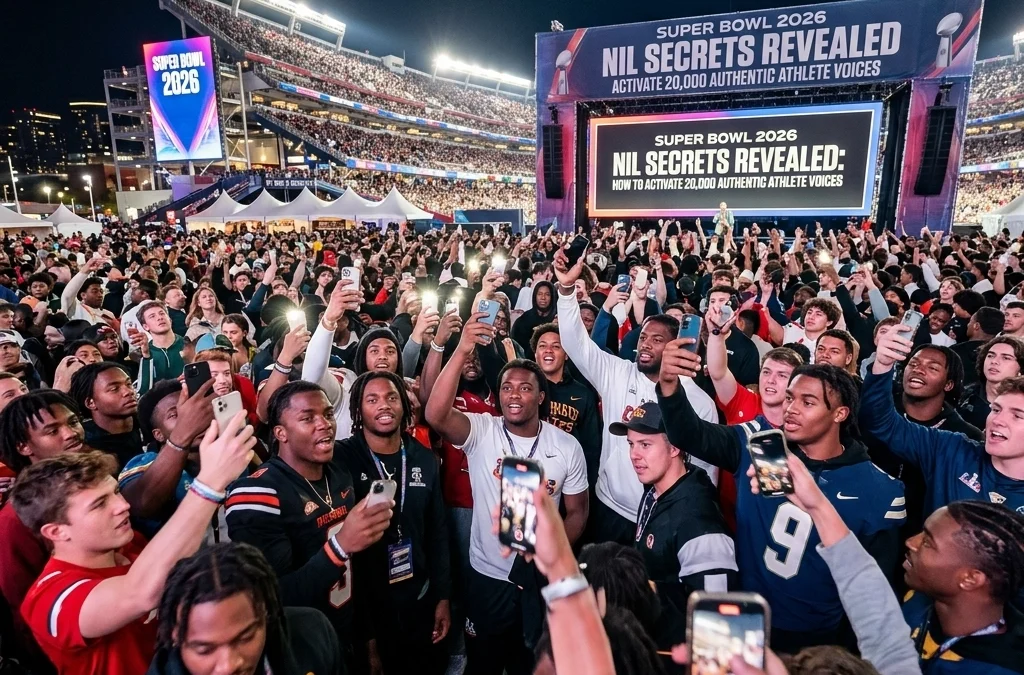
The Super Bowl has always been the biggest stage for advertising. For decades, brands spent millions for thirty seconds of airtime, hoping a celebrity cameo or a catchy jingle would stick. But 2026 changed the game. The secret to success this year was not just a big TV spot. It was the power of 20,000 authentic athlete voices working in harmony.
As the market shifts, media buyers are looking for ways to cut through the noise. Traditional commercials are great, but they often lack the personal touch that younger audiences crave. This is where Name, Image, and Likeness (NIL) comes in. By leveraging a massive platform of student-athletes, brands can create a groundswell of support that feels real, because it is real.
The Shift to Athlete-Led Content
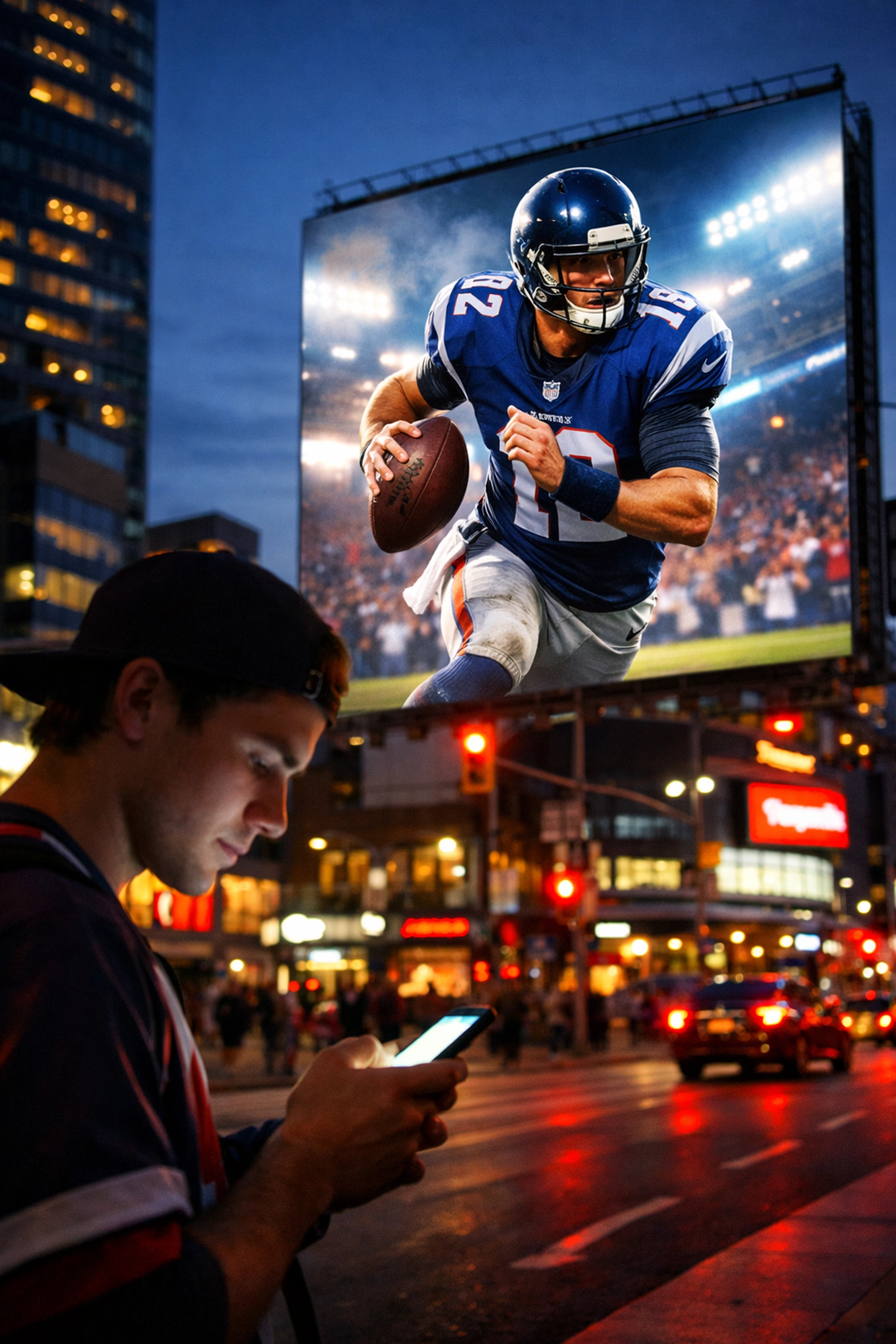
In 2026, we saw a massive migration of marketing dollars. Media planners are no longer just looking at stadium billboards. They are looking at the screens in the palms of fans' hands. The latest data shows that the sports DOOH gold rush is real, with 67 percent of media planners shifting budgets by 2026. This shift is driven by the need for authenticity.
A single celebrity might reach millions, but 20,000 student-athletes reach those same millions in a way that feels like a recommendation from a friend. These athletes live in the communities brands want to reach. They attend the universities that fuel sports passion. When they speak, people listen.
Why 20,000 Voices Matter
Activating 20,000 voices sounds like a logistical nightmare. However, with the right NIL platform, it becomes a streamlined process. The goal is to move away from the "one big star" model and move toward the "community of influencers" model. This approach provides several key advantages:
- Hyper-Local Relevance: Athletes can target their specific campus or hometown, making the brand feel like a local staple.
- Massive Engagement: Thousands of smaller accounts often have higher engagement rates than one massive celebrity account.
- Diverse Content: You get 20,000 different perspectives on your brand, providing a library of content that no creative agency could produce alone.
- Cost Efficiency: Distributing a budget across thousands of athletes can often deliver a better ROI than a single high-priced contract.
To see how this culture shift is impacting the business of the NFL and beyond, watch this detailed breakdown:
https://www.youtube.com/watch?v=l6J-0zileKE
Strategy: Selection and Matchmaking
The first secret to a successful NIL campaign is the selection process. You cannot just pick 20,000 random people. The platform uses data-driven metrics to ensure the athletes align with the brand's values.
Objective and Strategy
The objective for Super Bowl 2026 was to create a 360-degree surrounding effect. This meant that no matter where a fan looked, they saw the brand. The strategy involved selecting athletes based on their performance metrics and audience demographics.
By using organized NIL marketplaces, media buyers can assess content capability. They look at how an athlete performs on TikTok, Instagram, and X. This ensures that when the "go" signal is given, the content produced is professional and impactful.
Phase 1: The Pre-Game Build
A common mistake in Super Bowl advertising is waiting until game day to start the conversation. The most successful campaigns in 2026 started three to four weeks early.
During this phase, NIL athletes began posting "teaser" content. This wasn't a hard sell. It was about building narrative momentum. When these posts are combined with digital out-of-home (DOOH) displays, the effect is amplified. Fans see the athlete on their phone, and then they see the same brand on a digital billboard on their way to the stadium or a watch party.
This omnichannel approach is why DOOH sports advertising is expected to hit 50 billion dollars by 2030. It connects the digital world with the physical world in a way that feels seamless to the consumer.
Phase 2: Game Day Amplification
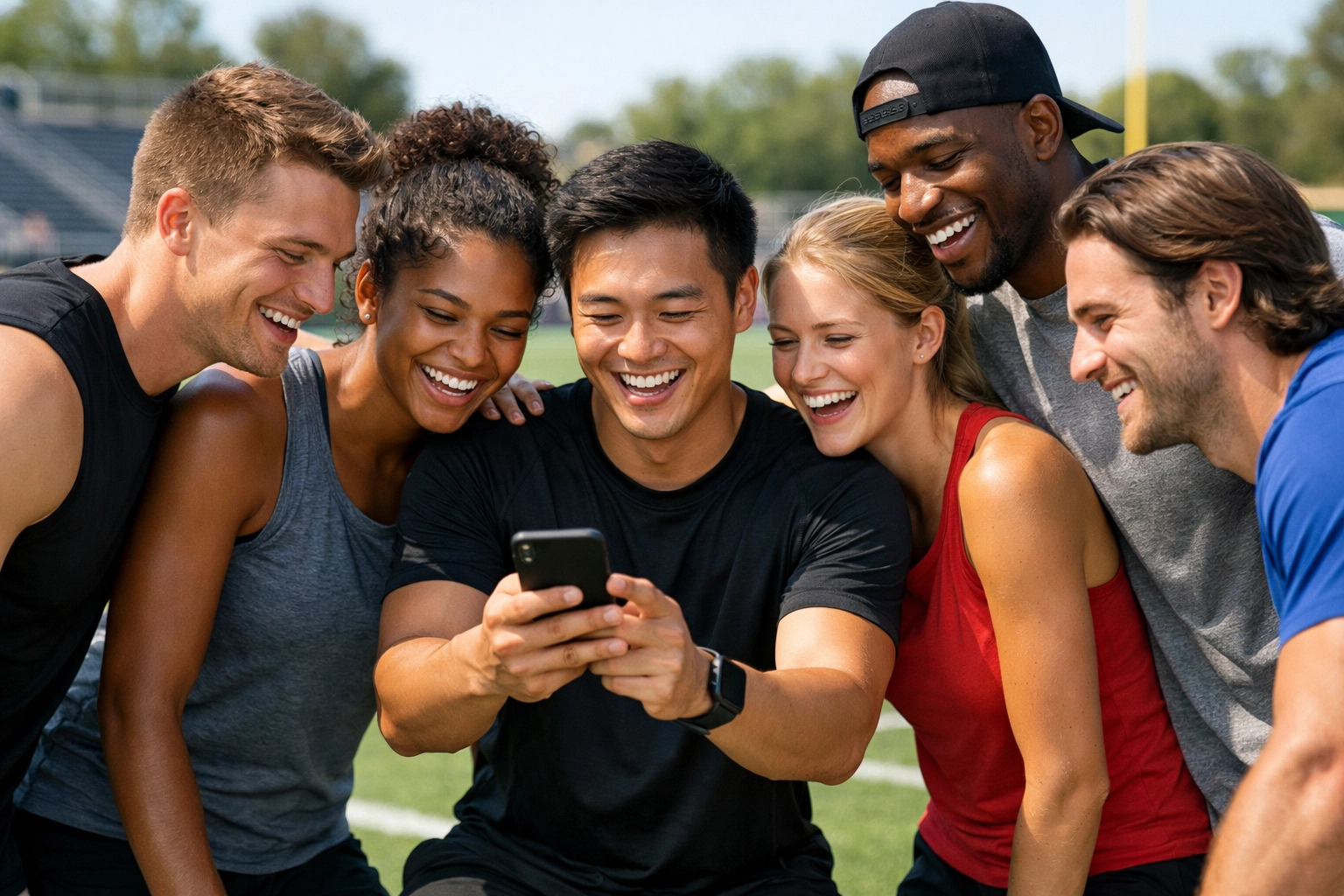
On game day, the 20,000 athletes act as a "digital war room." While the television commercial is running, these athletes are engaging in real-time.
If there is a big play, a fumble, or a memorable halftime moment, the NIL roster is ready to react. They create memes, host live streams, and respond to fans. This real-time coordination is something a pre-recorded TV spot simply cannot do. It makes the brand part of the live conversation.
Research shows that brands using this mix of traditional power and NIL authenticity saw a 35 percent higher engagement rate on social platforms compared to those using only legacy strategies.
Technology Partners and Execution
Execution at this scale requires a specialized tech stack. The NIL platform handles the contracts, the content approval, and the payments. This removes the friction that usually stops brands from working with large groups of people.
In addition to the NIL platform, programmatic DOOH is a vital partner in these campaigns. Brands can now launch real-time sports betting or retail campaigns that convert in under 24 hours. For example, if a certain player is having a great game, the DOOH screens near the stadium can update instantly to feature that player alongside the brand.
Using tools like the StackAdapt DSP allows for driving programmatic DOOH adoption in omnichannel campaigns. This ensures that the right message reaches the right fan at the right time.
Results and ROI
The data from Super Bowl 2026 is clear. The campaigns that performed the best were the ones that focused on fan-centric engagement.
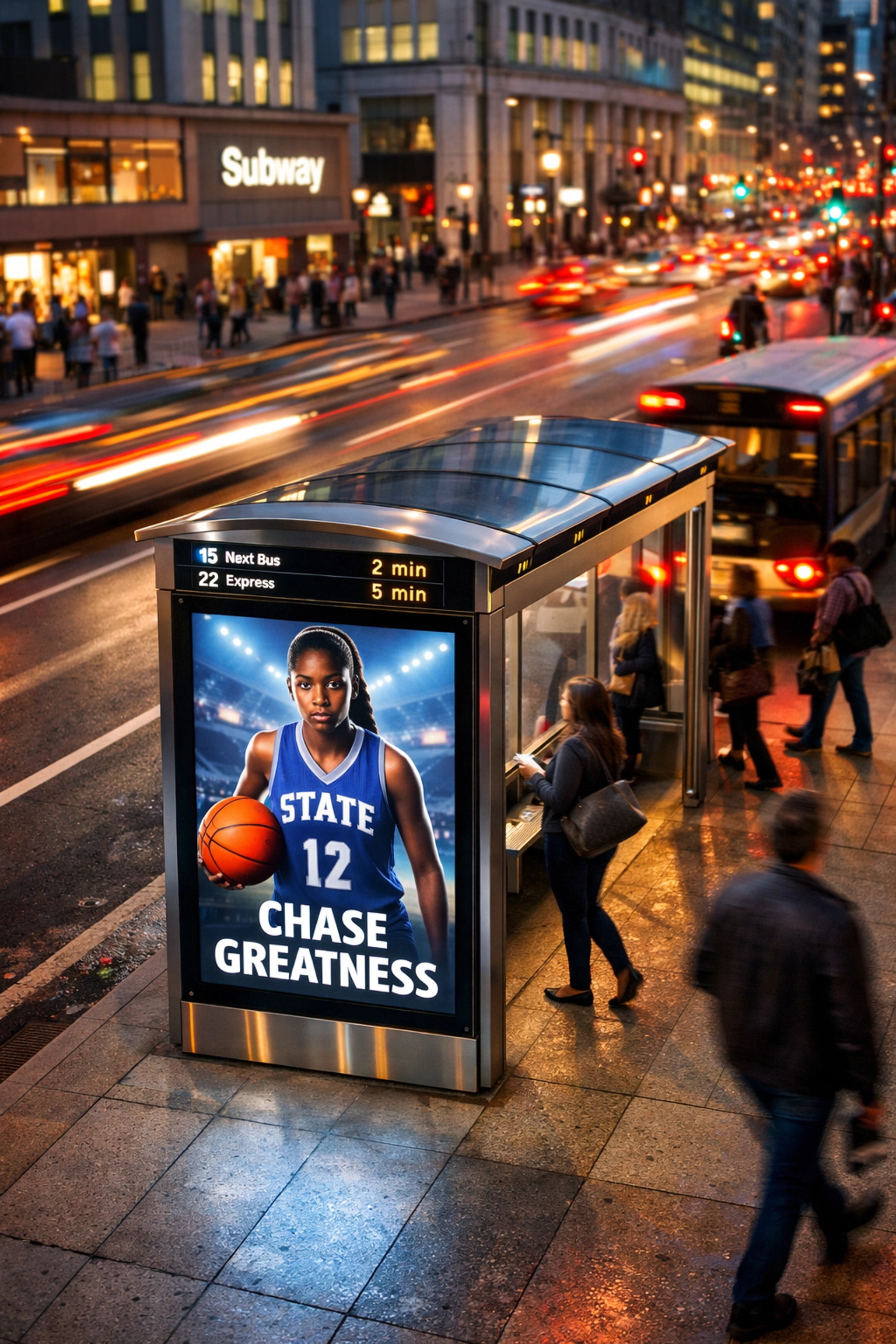
When comparing AI-powered DOOH vs traditional stadium ads, the ROI favors the digital approach. Traditional billboards are static. They are "set and forget." But a campaign powered by 20,000 athlete voices and 25,000 digital screens is dynamic. It moves with the audience.
Some brands saw a lift in purchase consideration as high as 144 percent when they properly integrated digital OOH with their social campaigns. This is consistent with previous success stories, like how Sea-Doo increased consideration using similar tactics.
Measurable Outcomes
- Brand Sentiment: Campaigns using NIL athletes saw a 119 percent lift in positive brand image.
- Purchase Intent: Real-time engagement strategies led to significant spikes in web traffic and direct sales during the fourth quarter.
- Reach: The combined reach of 20,000 micro-influencers exceeded the reach of the top five Super Bowl celebrities combined, at a fraction of the cost.
Avoiding Common Mistakes
Even with a great platform, things can go wrong if you don't follow the rules of the road. One of the biggest mistakes is failing to measure the impact correctly.
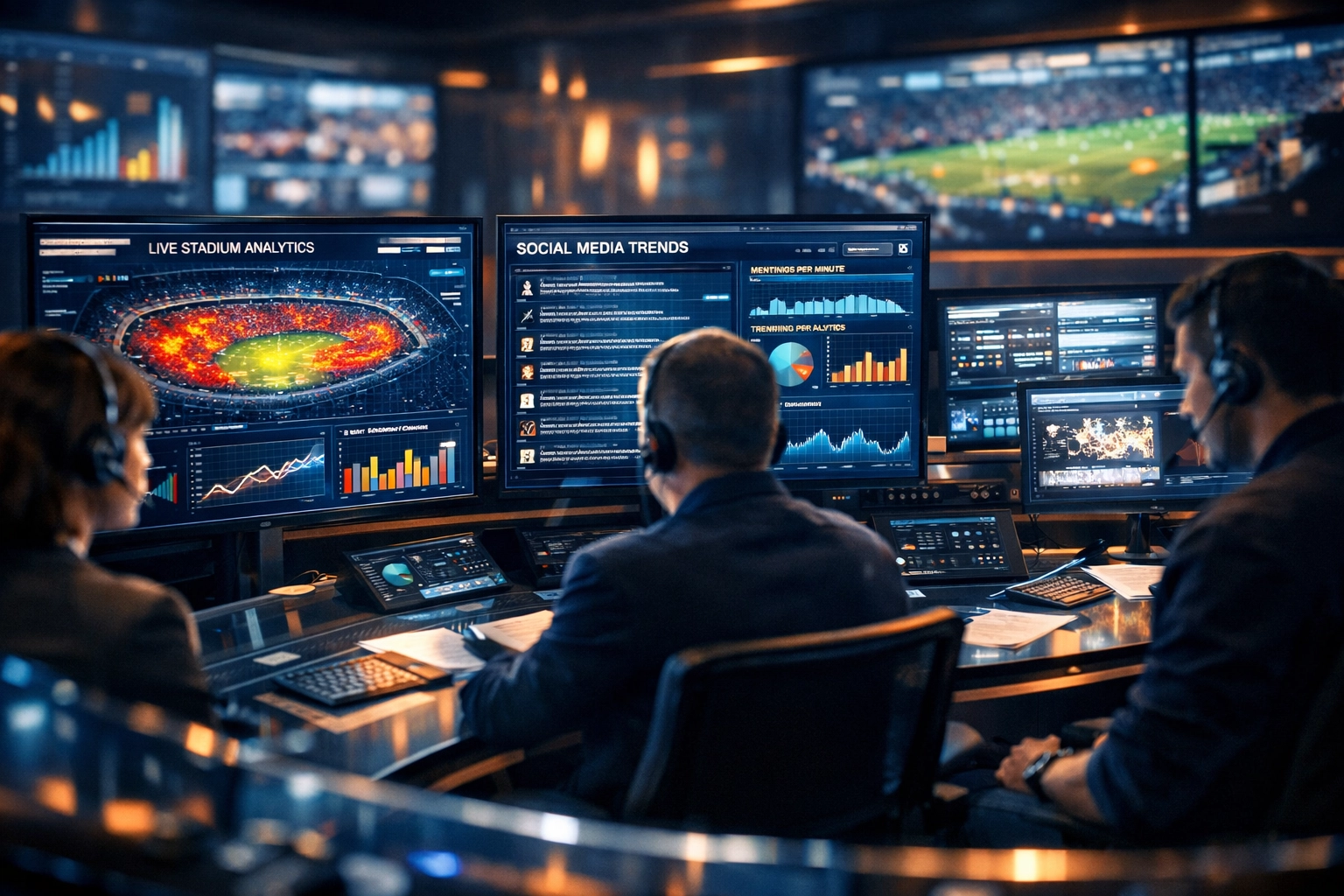
Media buyers need to stop wasting time on guesswork. Using AI-powered DOOH analytics allows you to prove campaign success with hard data. You can track device IDs, see who was exposed to an ad, and then see if they visited a store or made a purchase.
Another mistake is being too brand-centric. Fans don't want to be talked at. They want to be part of the experience. By letting 20,000 athletes tell the story in their own words, the brand becomes a supporter of the culture rather than an intruder.
The Future of Sports Marketing
As we look toward the 2027 season and beyond, the blueprint is established. The "secrets" of the 2026 Super Bowl are now the standard operating procedure for the industry.
The combination of massive NIL rosters and programmatic DOOH is the ultimate one-two punch. It provides the scale of a national campaign with the precision of a local one. For media buyers, the message is simple: activate the voices that fans already trust.
If you are ready to stop guessing and start winning, it is time to look at how these 20,000 voices can work for you. The technology is here, the athletes are ready, and the fans are waiting.
For more information on how to optimize your sports marketing spend, check out our guide on 7 mistakes you are making with sports DOOH campaigns. Don't let your brand get left behind in the old way of doing things. The future of the Super Bowl is authentic, digital, and powered by the athletes themselves.