
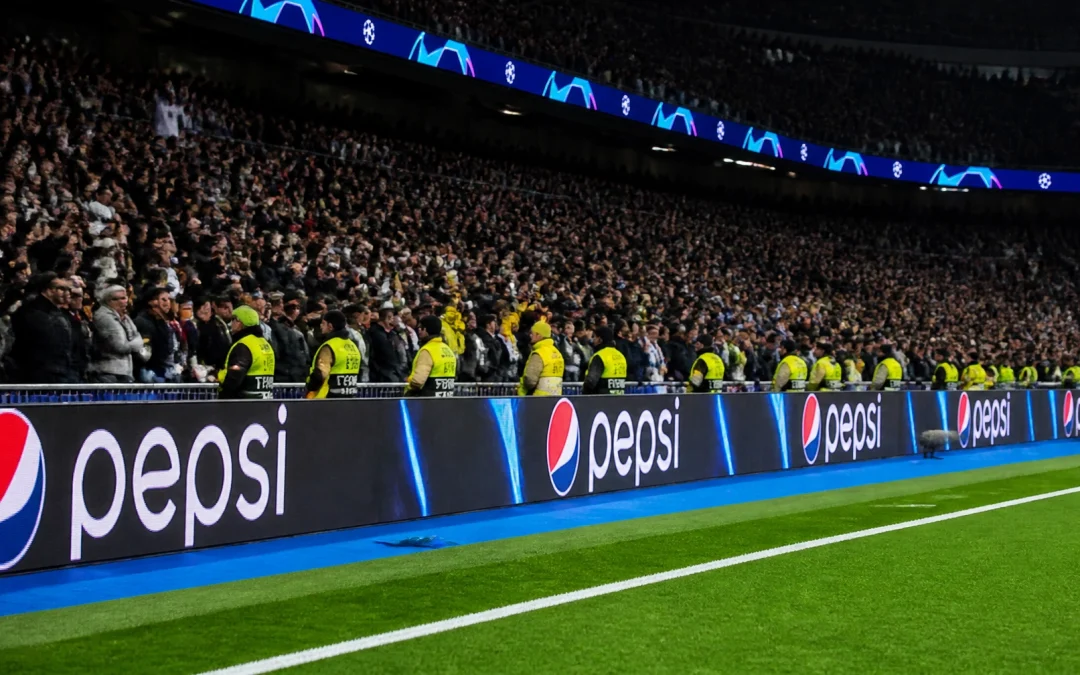
The landscape of sports marketing has evolved from passive viewership to an ecosystem of high-intensity engagement. At the center of this transformation is stadium perimeter advertising, a strategic deployment of digital out of home (DOOH) assets that captures the attention of fans when they are most emotionally invested. By integrating brand messaging into the physical and digital environment of sports venues, marketers can achieve levels of recall and resonance that traditional media often struggles to match.
For creative directors and chief marketing officers (CMOs), the challenge lies in breaking through the noise of a saturated digital world. Stadium perimeter advertising offers a solution by leveraging the high-stakes atmosphere of live sports to create a lasting connection between a brand and its audience. This strategy does not just reach fans; it engages them within a 10-mile radius of the action, ensuring a comprehensive brand presence throughout the game-day journey.
Strategy: The 10-mile Perimeter Ecosystem
Effective sports marketing requires more than just a presence inside the arena. It necessitates a holistic approach that follows the fan from their initial arrival in the city to their post-game celebration. OOH Sports utilizes a perimeter strategy that extends up to 10 miles around major sports venues. This network includes digital video advertising boards in a variety of high-traffic categories, ensuring the brand narrative is consistent and omnipresent.
The 10-mile strategy is built on the understanding that fan engagement begins long before the first whistle. By placing ads on highway signs, urban panels, and transportation hubs leading toward the stadium, brands establish an early association with the event. As fans move closer to the venue, the density of digital touchpoints increases, reinforcing the message across gyms, office buildings, and quick-service restaurants (QSRs).

Objective & Strategy: Targeting High-Intent Audiences
The primary objective of stadium perimeter advertising is to align a brand with the passion and loyalty inherent in sports culture. The strategy focuses on reaching audiences when they are in a high-intent state. Unlike typical internet users, sports fans are estimated to be six to eight times more engaged during a live event. This heightened state of awareness creates a "trust transfer" or "halo effect," where the positive emotions associated with the team are projected onto the sponsoring brands.
To maximize impact, the following tactical steps are employed:
- Geofencing and Proximity Targeting: Digital assets are activated within a specific radius of the venue to capture the concentrated influx of fans.
- Contextual Relevance: Creative assets are tailored to the specific sport, team, or event, ensuring the messaging feels like a natural part of the fan experience.
- Frequency and Reach: By utilizing a vast network of screens, the strategy ensures multiple impressions across different environments, from transit to dining.
- Event-Based Scheduling: Campaigns can be synchronized to run exclusively on game days, optimizing the budget and ensuring relevance.
Technology & Deployment: Programmatic DOOH and Dynamic Content
The technical execution of these campaigns relies on sophisticated programmatic DOOH platforms. These systems allow for real-time adjustments and data-driven delivery. Brands can change creative assets based on live game conditions, such as score updates, player milestones, or even weather changes. For instance, if an outdoor game is delayed due to rain, the OOH Sports network can automatically pause certain campaign elements, protecting the advertiser's budget and ensuring impressions are only served when the audience is present.
Technology also facilitates second-screen engagement. Many digital perimeter boards now incorporate interactive elements such as QR codes or augmented reality (AR) triggers. These tools bridge the gap between the physical billboard and the fan's mobile device, allowing for immediate follow-up actions like redeeming a discount or viewing exclusive content.

Beyond the stadium walls, the reach extends into social environments. Digital screens in sports bars and casual dining locations provide a critical touchpoint for fans who are watching the game away from the arena. This environment offers a unique opportunity for brands to engage with a captive audience in a relaxed, social setting, further driving brand affinity.
Benefits for Brands: High Recall and Measurable Impact
The data surrounding stadium perimeter advertising indicates a significant advantage for brand awareness and equity. Research into sports venue DOOH shows an average ad recall of approximately 86 percent, significantly higher than the 60 percent recall typically associated with traditional television advertising. This is attributed to the "in the action" placement of perimeter boards, which remain in the line of sight during peak moments of play.
Other measurable benefits include:
- Aided Brand Awareness: Premium stadium placements have been shown to deliver a 15 to 25 percent increase in aided brand awareness.
- Consumer Action: Approximately 74 percent of consumers take a follow-up action after exposure to a DOOH ad in a sports venue, such as visiting a website or conducting a product search.
- High Engagement Rates: Well-executed campaigns can achieve engagement rates of 15 to 20 percent when utilizing interactive elements.
Benefits for Fans: Enhancing the Game-Day Experience
While the benefits for brands are clear, stadium perimeter advertising also serves the audience. Modern DOOH content is often informative and additive to the experience. By providing live stats, highlights, and community-focused messaging, brands can contribute to the atmosphere rather than interrupting it.
Interactive activations, such as AR experiences triggered by perimeter signage, have been shown to increase a fan's likelihood to attend future games by 56 percent. Furthermore, these engaged fans are 67 percent more likely to purchase team merchandise, demonstrating that effective advertising supports the entire sports ecosystem.
Measurement & Results: Data-Driven Success
Success in stadium perimeter advertising is not left to chance. It is measured through a combination of digital metrics and brand lift studies. By tracking device IDs exposed to the ads, marketers can perform attribution analysis to see if those individuals later visited a retail location or made an online purchase.

Strategic measurement focuses on three key areas:
- Exposure and Reach: Quantifying the total number of impressions across the 10-mile perimeter network.
- Brand Preference Rating: Measuring the shift in consumer perception through pre- and post-campaign surveys.
- Foot Traffic Attribution: Correlating DOOH exposure with physical visits to storefronts or partner venues.
The Future of Fan Engagement
As digital out of home advertising continues to transform sports marketing, the integration of data and creative will only deepen. The ability to reach a hyper-targeted audience within the proximity of a stadium allows for a level of precision that was once impossible in out of home media.
By focusing on the mechanics of fan engagement and leveraging the latest in programmatic technology, brands can ensure their message is heard. Stadium perimeter advertising is more than a billboard; it is a strategic gateway to the hearts and minds of the most passionate consumers in the world. For those looking to elevate their brand presence, the perimeter is where the game is won.
To learn more about how these strategies are being implemented today, explore the latest fan engagement strategies or visit the OOH Sports about page for details on the network's reach and capabilities.
For inquiries on how to join the OOH Sports digital network, contact Dan Kost, CEO, at +1 (970) 703-0102 or visit www.oohsports.com.
#Motivation #Branding #Strategy #Marketing #AdvertisingAndMarketing #digitalmarketing #Innovation #Sports