
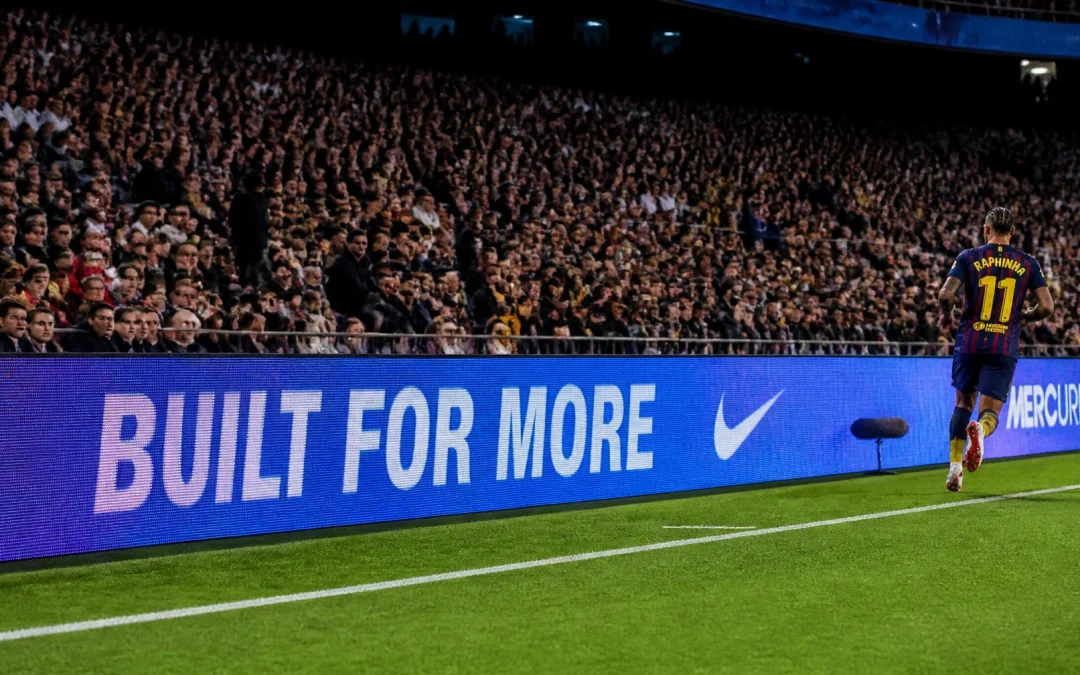
In the modern landscape of sports marketing, brands constantly seek methods to capture audience attention without disrupting the viewing experience. Traditional advertising formats often face viewer fatigue, whereas sports out of home (OOH) media offers a compelling alternative. Specifically, stadium perimeter advertising sits directly within the natural line of sight for both in-venue spectators and global broadcast audiences. As detailed in recent industry insights on stadium perimeter advertising, this medium bridges physical attendance with massive television and streaming reach. This comprehensive playbook explores how brands leverage digital perimeter networks to elevate fan engagement, drive brand preference, and achieve measurable commercial impact.
Objective and Strategy: Aligning Brands with High-Emotion Moments
The primary objective of modern sports marketing is to integrate brand messaging seamlessly into moments of peak emotional intensity. Fans attend sporting events with elevated passion, focusing intently on the field of play. Perimeter boards, positioned precisely at the edge of the pitch or court, capitalize on this directed attention.
Strategic deployment of perimeter advertising relies on several core principles:
- Contextual Relevance: Delivering sponsor messages during pivotal plays, such as goals, touchdowns, or crucial defensive stops, ensures higher cognitive retention.
- Non-Interruptive Integration: Unlike commercial breaks that pause entertainment, perimeter ads run concurrently with gameplay, fostering positive brand association.
- Dual Audience Exposure: High-resolution digital boards capture simultaneous impressions from thousands of live attendees and millions of television or digital streaming viewers.
- Visual Continuity: Maintaining consistent creative themes across stadium perimeters, concourse screens, and entry gates reinforces brand recognition throughout the fan journey.

Technology Partners and Digital Infrastructure
The transition from static painted banners to dynamic digital LED systems represents a major technological shift in sports venues. Advanced programmatic digital out-of-home (DOOH) platforms enable media buyers to purchase, schedule, and optimize perimeter inventory with unprecedented flexibility.
When executing sophisticated campaigns, reliance on specialized technology partners ensures technical compliance and broadcast quality:
- High Refresh Rates: Professional outdoor LED systems require refresh rates of at least 3,840 Hz to prevent flickering on high-definition broadcast cameras.
- Programmatic Integration: Integration with modern supply-side platforms (SSPs) allows brands to automate ad delivery based on real-time triggers, such as score changes or specific game periods.
- Virtual Overlay Capabilities: Advanced broadcasting technology supports regional multi-feed insertions, enabling different brands to appear on perimeter boards depending on the broadcast target market.
- Dynamic Content Management: Centralized dashboards allow creative directors to update messaging instantaneously across multiple venues or regional leagues.
For organizations navigating these technical requirements, exploring comprehensive resources via the OOH Sports Blog provides valuable guidance on programmatic execution and venue networking.
Campaign Execution and Logistics
Executing a successful stadium perimeter campaign requires meticulous planning, precise timing, and seamless coordination between media agencies, venue operators, and technology providers. Campaign logistics involve several structured phases:
- Inventory Audit and Selection: Media planners evaluate venue sightlines, camera arc coverage, and seating capacities to select optimal perimeter zones that guarantee maximum screen time during televised broadcasts.
- Creative Adaptation: Creative directors design bold, high-contrast visuals with minimal text. Because gameplay moves rapidly, messaging must communicate core brand value within seconds.
- Trigger-Based Scheduling: Media buyers program dynamic creative assets to activate during specific game events, such as celebratory frames following a score or utility updates during timeouts.
- Second-Screen Integration: Campaigns frequently incorporate interactive elements, such as quick response codes or augmented reality overlays, directing fans toward mobile promotions, exclusive content, or merchandise discounts.

Measurable Outcomes and Results
Historically, outdoor advertising presented challenges regarding precise impact measurement. However, modern stadium perimeter campaigns utilize advanced analytics to quantify performance and validate return on investment. Independent media evaluation firms and proprietary platforms track multiple performance indicators.
Quantitative findings from recent benchmark studies highlight the effectiveness of digital perimeter placements:
- Media Value Amplification: Brands achieve an average increase of 35 percent in equivalent media value compared to traditional static signage, driven by extended television highlight exposure and social media sharing.
- Brand Recall Improvement: Post-campaign brand lift studies indicate a 28 percent increase in aided brand recall among in-venue spectators and broadcast viewers exposed to dynamic LED perimeter ads.
- Audience Engagement Rates: Campaigns featuring interactive second-screen elements experience a 4.2 times higher engagement rate compared to standard passive visual displays.
- Preference Shift: Target audience surveys reveal a measurable positive shift in brand preference ratings, particularly among key demographics including sports-focused creative directors and chief marketing officers.

Conclusion
Stadium perimeter advertising has evolved from a basic branding placement into a sophisticated, programmatic touchpoint that redefines fan engagement. By combining high-emotion sporting contexts with dynamic LED technology and rigorous data measurement, brands secure powerful visibility across both live and broadcast environments. As media buyers and brand managers continue to refine their sports marketing strategies, digital perimeter networks remain an essential component for achieving scalable audience impact. To learn more about network capabilities and partnership opportunities, visit the OOH Sports About Page.