
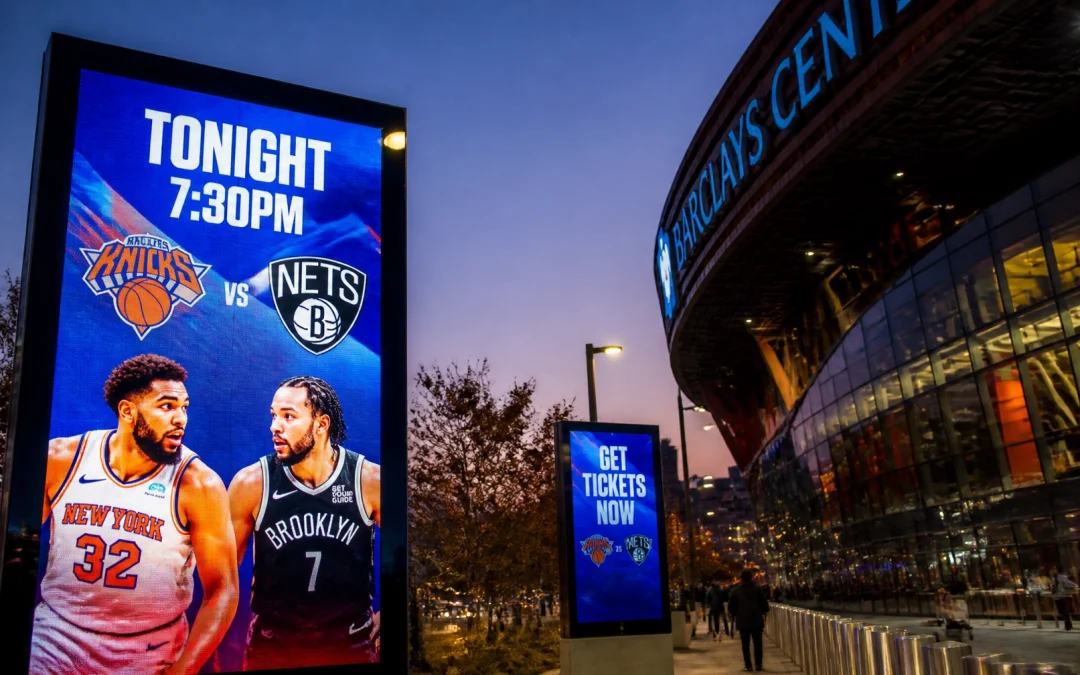
The digital out-of-home (DOOH) advertising landscape within the sports sector is undergoing a profound transformation. As sports media investments continue to migrate toward digital and programmatic infrastructures, brand managers, media buyers, and marketing executives are presented with unprecedented opportunities to engage audiences in physical environments. This edition examines the core trends, technological advancements, and strategic opportunities shaping DOOH sports marketing, offering actionable insights for partners navigating this expanding medium.
Market Growth and Strategic Budget Shifts
The global digital out-of-home market is experiencing rapid expansion, projected to reach over fifty billion dollars by the end of the decade. Within this broader trajectory, sports advertising serves as a primary catalyst for growth. Traditional static billboards are systematically being replaced by high-resolution digital displays positioned across transit networks, urban entertainment hubs, and venue perimeters.
According to industry analyses, DOOH now commands a significant percentage of overall out-of-home revenues, with forecasts indicating continued upward momentum. Sports brands, telecommunications providers, and consumer goods companies are directing dedicated budgets toward digital venue networks. This shift is driven by the ability of DOOH to combine the high-impact visual presence of physical media with the precision and flexibility of digital channels.

As highlighted in recent sports DOOH innovation studies, the convergence of audience mobility data and digital screens allows advertisers to reach consumers at critical junctures along the fan journey. Rather than relying on broad demographic assumptions, modern campaigns utilize geospatial analytics to map audience density and movement patterns around major stadiums and arenas.
Programmatic DOOH as the Operational Standard
Programmatic buying has emerged as the dominant operational engine for digital out-of-home campaigns. By integrating DOOH inventory into standard demand-side platforms (DSPs), media planners can execute automated buys, schedule impressions dynamically, and optimize delivery based on real-time triggers.
Programmatic DOOH eliminates the traditional friction associated with out-of-home procurement. Advertisers can now purchase ad space across multiple venue networks using the same workflows employed for connected TV, online video, and display advertising. This operational unification enables seamless omnichannel planning, allowing sports campaigns to synchronize physical screen exposure with digital retargeting efforts.
Furthermore, programmatic infrastructure supports granular targeting parameters. Campaigns can be configured to activate only when specific conditions are met, such as peak commuter hours before a weekend fixture, localized weather shifts, or verified audience concentrations within a designated stadium perimeter.
Venue Perimeter Targeting and Audience Mobility
A cornerstone of modern sports DOOH strategy is the implementation of digital perimeters around athletic venues. Industry deployments frequently utilize a multi-mile radius approach around stadiums to capture concentrated fan populations before and after live events.

This venue-centric methodology ensures brand messaging meets fans during peak moments of excitement and intent. As detailed in analyses of stadium perimeter advertising strategies, targeting fans along transit routes, local hospitality venues, and parking corridors creates an immersive brand environment that extends far beyond the physical stadium seating bowl.
Audience mobility data plays a critical role in this process. By analyzing historical and real-time movement data, media buyers can identify high-traffic corridors and secure inventory on screens with maximum exposure to sports enthusiasts. This strategic placement ensures marketing investments are directed toward high-value consumer touchpoints.
Data-Driven Dynamic Creative Optimization (DCO)
Static imagery is rapidly giving way to dynamic, data-responsive creative executions in sports DOOH. Dynamic Creative Optimization (DCO) enables campaigns to adapt messaging in real time based on external data feeds, including live match scores, team statistics, player milestones, and local weather conditions.
For example, sports betting operators and beverage brands utilize DCO to display real-time odds, pre-game countdowns, or localized team support depending on the specific screen location and time of day. Research indicates that contextually relevant creative significantly enhances audience recall and brand favorability. When advertising mirrors the dynamic, fast-paced nature of live sports, consumer engagement metrics show measurable increases.

Brands exploring these methodologies often reference insights from the sports DOOH gold rush analysis, which outlines how dynamic content formats drive superior consideration lift compared to traditional static campaigns.
Measurement, Attribution, and Omnichannel Integration
Historically, out-of-home advertising faced skepticism regarding attribution and performance measurement. Modern DOOH addresses this challenge through advanced digital analytics, impression verification, and post-exposure analysis.
Today's campaigns utilize device ID collection, QR code interactions, and foot-traffic attribution studies to quantify the precise impact of physical screen exposure. By tracking whether exposed audiences subsequently visit retail locations, engage with digital platforms, or complete conversion actions, marketers can calculate return on ad spend with unprecedented accuracy.
Moreover, DOOH serves as an effective upper-funnel anchor for omnichannel campaigns. Audience segments exposed to venue-perimeter DOOH can be reliably retargeted across mobile devices, digital audio platforms, and connected TV networks. This cohesive messaging strategy reinforces brand recall and guides consumers seamlessly through the marketing funnel. Organizations seeking structured methodologies for campaign execution can review available frameworks through comprehensive OOH Sports case studies.
Strategic Takeaways for Industry Partners
To capitalize on the current evolution of digital out-of-home sports marketing, media planners and brand managers should consider the following strategic priorities:
- Embrace Programmatic Workflows: Integrate DOOH into existing DSP stacks to streamline buying, improve flexibility, and enable real-time campaign optimization.
- Implement Venue Perimeters: Design campaigns around targeted geographic radii encompassing stadiums, transit hubs, and fan aggregation zones to capture high-intent audiences.
- Leverage Dynamic Creative: Utilize data feeds and DCO to deliver contextually relevant messaging aligned with live sports moments and local team affiliations.
- Prioritize Omnichannel Retargeting: Connect physical screen exposures with digital channels to maintain audience continuity and drive measurable conversion lift.
As the sports media ecosystem continues to evolve, digital out-of-home remains a powerful vehicle for brands seeking to connect with passionate audiences in meaningful, high-impact physical environments.