
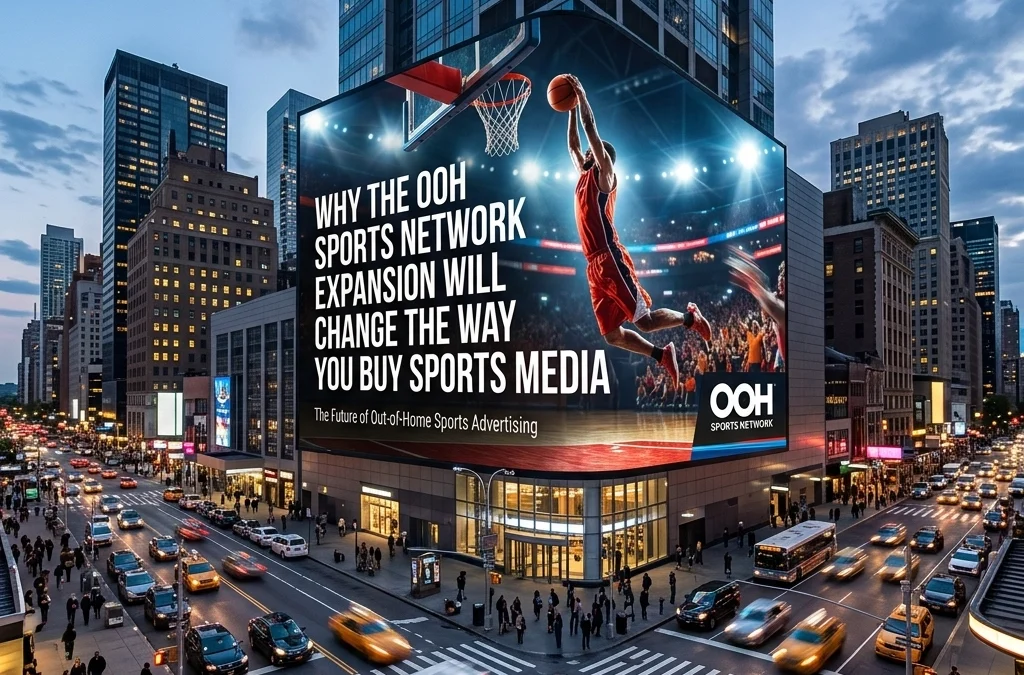
The landscape of sports advertising is experiencing a fundamental shift. For decades, the primary method for reaching sports fans involved high-cost television placements or static stadium sponsorships. These traditional methods often required long lead times, rigid contracts, and significant capital. However, the expansion of the OOH Sports network to over 25,000 digital screens across the United States is redefining how brands interact with the athletic community.
This growth represents more than just a larger footprint. It marks a transition toward a programmatic, data-driven approach that prioritizes flexibility and precision. By moving beyond the physical walls of the stadium, the network allows media buyers to reach fans throughout their entire daily journey, whether they are at the gym, the local sports bar, or the golf course.
The Strategy: Scaling Beyond the Stadium
Traditional sports marketing focuses heavily on the "in-game" experience. While effective for brand awareness, it often misses the moments before and after the event when consumers are most likely to make purchasing decisions. The OOH Sports expansion addresses this by placing digital screens in high-traffic, contextually relevant environments.
The network now spans a diverse array of venues:
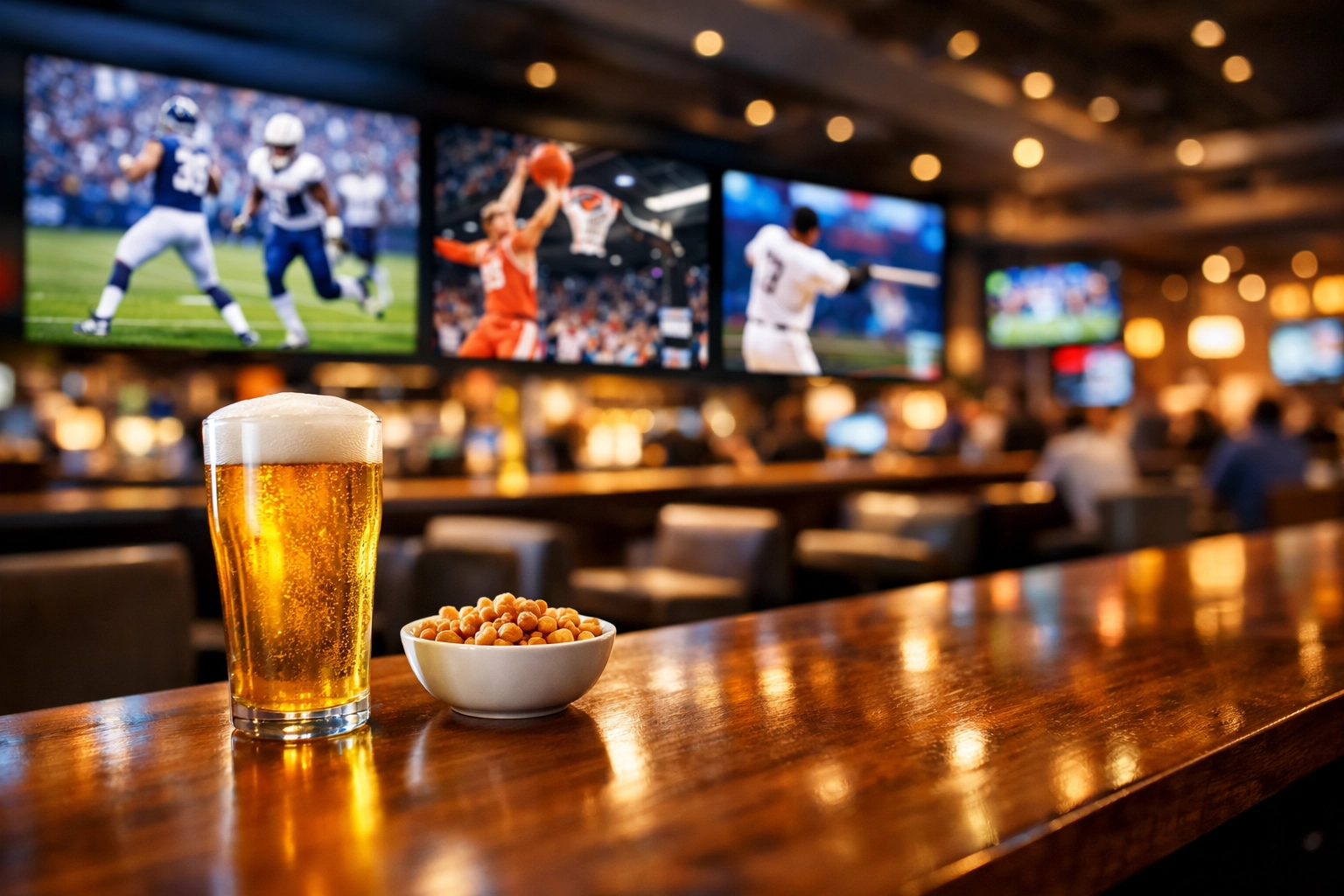
- Sports bars and restaurants
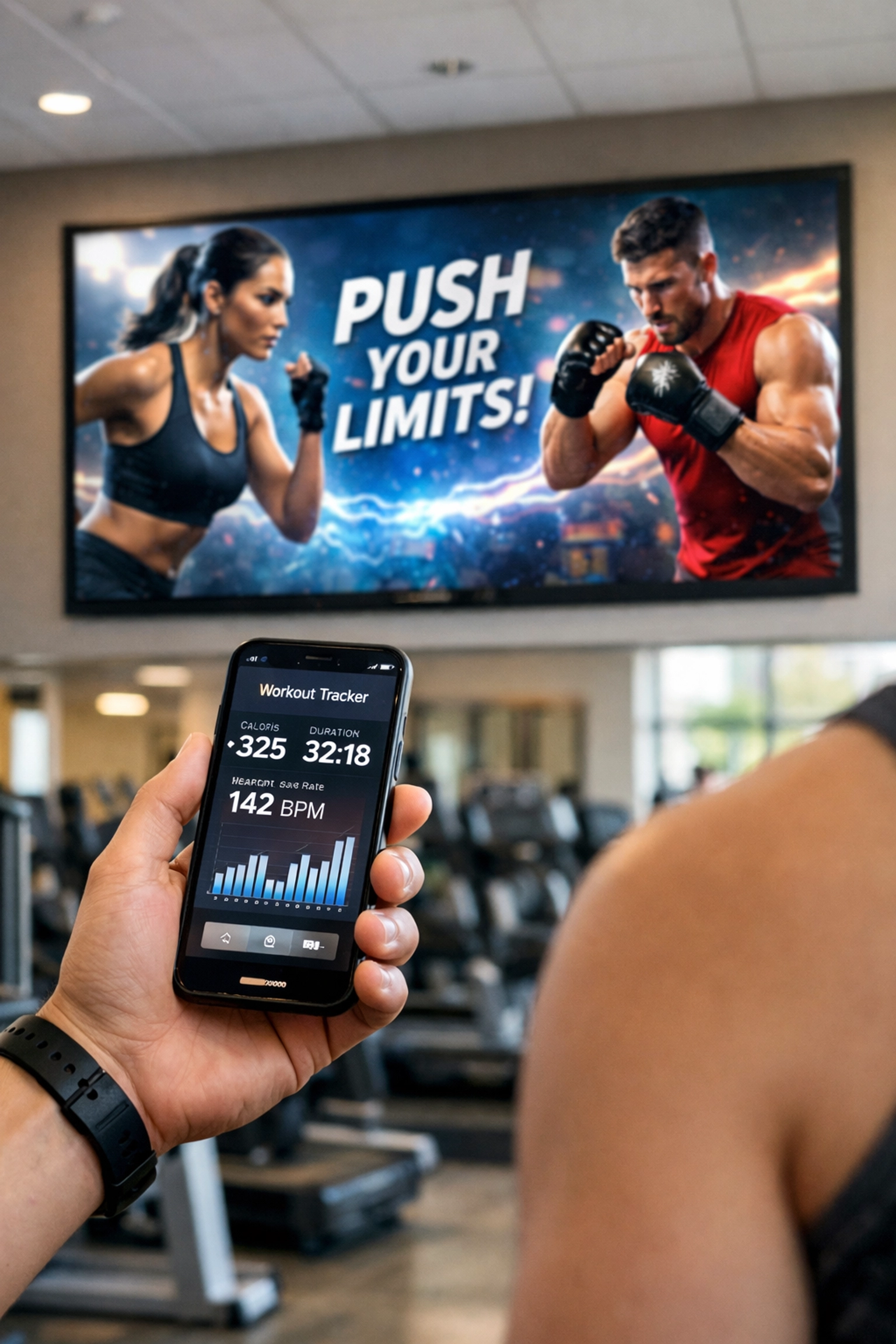
- Fitness centers and health clubs
- Bowling alleys and entertainment hubs
- Golf courses and country clubs
This strategy ensures that a brand message is not just a fleeting moment during a commercial break but a consistent presence in the lives of active consumers. By leveraging 25,000 screens, the network provides a national scale that was previously only available through major broadcast networks, but with the added benefit of localized relevance.
Objective and Strategy: The Programmatic Advantage
One of the most significant changes introduced by this expansion is the integration of programmatic technology. In the past, buying out-of-home (OOH) media was a manual process involving spreadsheets and weeks of negotiation. The current OOH Sports infrastructure allows for real-time bidding and automated transactions.
This programmatic environment provides several strategic advantages:
- Speed to Market: Campaigns can be launched or modified in under 24 hours, allowing brands to react to real-time sports news or player performances.
- Budget Efficiency: Media buyers can allocate spend based on performance and high-traffic times rather than paying a flat rate for a static board.
- Dynamic Creative: Content can change based on live scores, weather conditions, or local events, making the advertisement feel more like a service to the fan than an interruption.
For a deeper look at how this compares to old-school methods, the analysis on programmatic DOOH vs. traditional stadium ads highlights why the shift to digital is accelerating.
Technology Partners and Integration
The expansion is supported by robust technology partnerships that streamline the buying process. By integrating with leading Demand Side Platforms (DSPs), OOH Sports makes it possible for media buyers to purchase sports-centric inventory through the same interfaces they use for mobile and desktop ads.
The collaboration with platforms like StackAdapt has been instrumental in driving this adoption. This omnichannel approach allows for a seamless connection between a physical screen at a gym and a follow-up ad on a consumer’s mobile device. More information on these integrations can be found in the spotlight on StackAdapt DSP.

Precision Targeting and Geo-Fencing
The expanded network allows for hyper-localized targeting that traditional media cannot match. Through the use of geo-fencing, brands can target fans within a three-mile radius of specific stadiums or events. This ensures that the message is reaching the right audience at the right time.
For example, a brand could trigger ads to appear on screens in sports bars surrounding a stadium exactly two hours before kickoff. This level of precision minimizes "ad waste" by focusing spend on the consumers most likely to be engaged with the event. This methodology has been shown to boost fan engagement by significant margins through real-time relevance.
Measurable Outcomes and Results
A common criticism of traditional out-of-home advertising was the lack of reliable measurement. The OOH Sports expansion solves this by utilizing mobile device IDs and exposure data to track the consumer journey from the screen to the point of purchase.
The results from recent campaigns across the network demonstrate the power of this data-driven approach:
- White Claw: A programmatic campaign for a new vodka launch resulted in a 74% lift in purchase consideration. Detailed metrics can be viewed in the White Claw case study.
- AB InBev (Mike’s Hard Iced Tea): This campaign saw a 119% lift in positive brand image by targeting fans in relaxed, social environments. The full strategy is outlined in the AB InBev report.
- Sea-Doo: By utilizing contextually relevant targeting across the network, Sea-Doo achieved a 144% increase in purchase consideration. This success story is documented in the Sea-Doo campaign analysis.
These figures prove that the scale of the 25,000-screen network does not come at the expense of performance. On the contrary, the increased volume of data points allows for more sophisticated optimization.
Addressing the Industry "Gold Rush"
As the network grows, more media planners are shifting budgets toward digital out-of-home (DOOH) to capture the attention of the "unreachables": consumers who use ad-blockers or skip traditional TV commercials. Estimates suggest that a significant majority of media planners are reallocating funds toward these high-impact digital screens.
The reasons for this shift are clear:
- High Recall: Research indicates that adults who see OOH ads for sporting events have high recall rates and are likely to take action immediately after exposure.
- Omnichannel Synergy: DOOH acts as a "primer" for mobile and social media campaigns, making those digital ads more effective when the consumer sees them later.
- Flexibility: The ability to pause, start, or pivot a campaign based on performance is a requirement for modern marketing departments that are increasingly held accountable for ROI.
To understand why this shift is happening now, planners can review the analysis on the sports DOOH gold rush.
Solving the Measurement Problem
One of the primary hurdles for media buyers has always been proving that an ad actually led to a sale. The OOH Sports network utilizes AI-powered analytics to bridge the gap between "seeing" and "buying." By analyzing foot traffic patterns and correlating them with ad play logs, the system provides a clear picture of campaign success.
This prevents the "guesswork" that once defined the industry. Instead of relying on estimated impressions, buyers now have access to verified data that proves the value of their investment. Avoiding common mistakes in sports DOOH measurement is essential for any brand looking to maximize its budget in this expanding space.

Conclusion: A New Era for Media Buying
The expansion of the OOH Sports network to 25,000 screens is not just a milestone for the company: it is a turning point for the advertising industry. It provides the scale of a national broadcaster with the precision of a digital platform.
For media buyers, this means the end of rigid sponsorships and the beginning of a more agile, data-centric era. As the network continues to grow and integrate new technologies, the way brands talk to sports fans will never be the same. The focus has shifted from merely being "at the game" to being wherever the fan is, delivering the right message, at the right time, with the data to prove it works.