
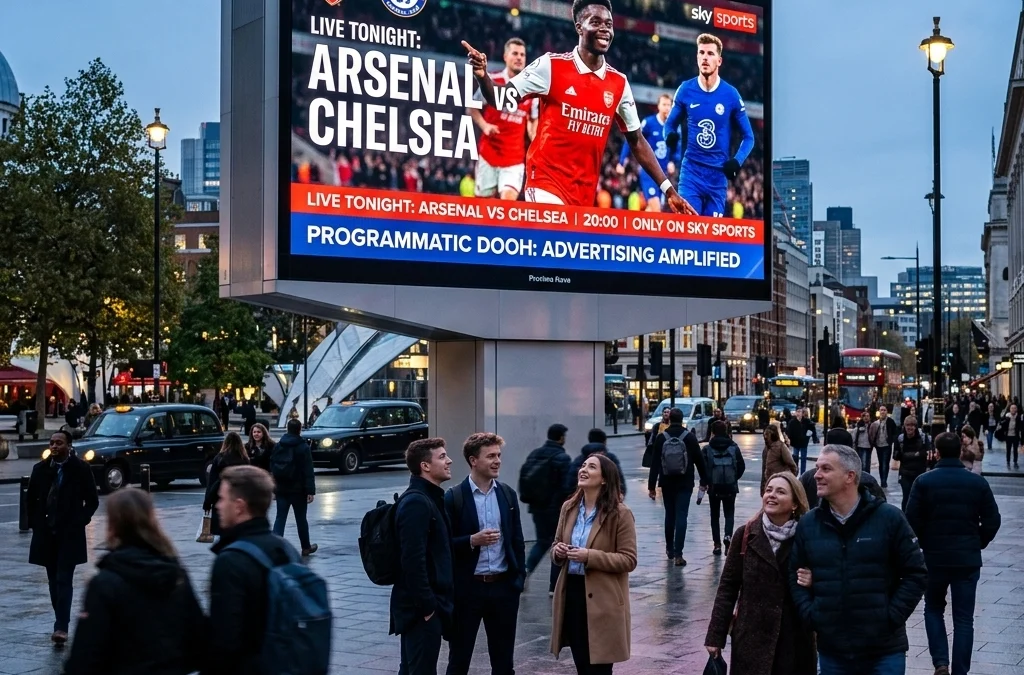

The landscape of outdoor advertising is undergoing a fundamental transformation. For decades, out of home media was characterized by static billboards and long term contracts that offered little flexibility. However, the rise of programmatic digital out of home (pDOOH) has changed the equation. This technology is turning physical screens into dynamic, data driven assets that function similarly to online display advertising but with the massive scale and impact of the physical world.
Industry analysts and media planners are increasingly focusing on this channel. Recent data suggests that programmatic DOOH campaigns are projected to reach 35 percent of all out of home campaigns globally. This growth is driven by a desire for better control, more precise targeting, and the ability to measure results with the same accuracy expected from digital marketing.
The Shift Toward Programmatic Efficiency
The primary reason for the buzz surrounding programmatic DOOH is the move away from manual buying processes. In the traditional model, securing a billboard involved multiple phone calls, manual spreadsheets, and fixed schedules. Programmatic technology automates this workflow, allowing brands to bid on inventory in real time across thousands of screens.
This automation does more than just save time. it enables a level of agility that was previously impossible. Marketers can now launch, pause, or optimize campaigns instantly based on performance or changing conditions. This flexibility is a significant factor in why the sports DOOH gold rush is attracting more than 67 percent of media planners who are shifting their budgets toward these digital solutions.
Strategic Advantages of pDOOH
When analyzing why brands are prioritizing programmatic DOOH, several strategic advantages become clear. The technology allows for a sophisticated approach to audience engagement that traditional methods cannot match.
Real Time Control and Flexibility
One of the most powerful features of pDOOH is the ability to adjust variables in real time. Advertisers can control frequency, time slots, and specific locations through a demand side platform (DSP). If a particular geographic area is showing high engagement, the budget can be upweighted to those screens instantly. Conversely, if a location is underperforming, the campaign can be adjusted without waiting for a contract to end.
This real time capability is particularly effective for time sensitive promotions. For example, real time sports betting campaigns can be launched and optimized in under 24 hours to coincide with major sporting events, ensuring that the message reaches fans exactly when they are most likely to take action.
Precise Audience Targeting
Unlike traditional billboards that target everyone who passes by, pDOOH uses data to target specific audience segments. By leveraging mobile location data and third party insights, advertisers can identify when their target demographic is most likely to be in the vicinity of certain screens.
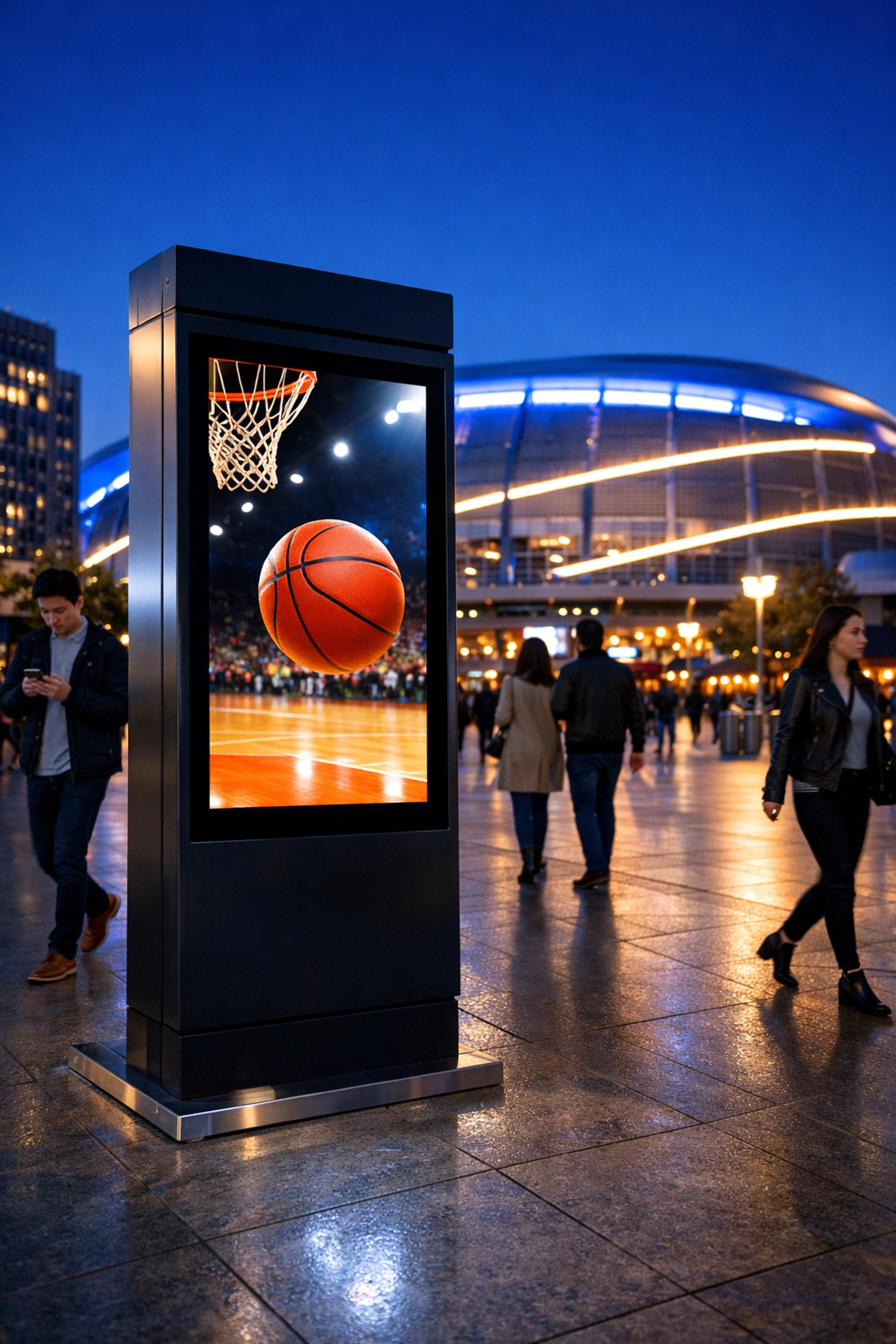
This precision ensures that impressions are not wasted. For instance, a brand looking to reach sports enthusiasts can target digital screens near stadiums, sports bars, or transportation hubs during game days. This level of geographically targeted DOOH has been shown to boost fan engagement by 90 percent in some instances.
The Role of Artificial Intelligence in Optimization
Artificial intelligence is becoming the backbone of the programmatic DOOH ecosystem. AI tools are used throughout the campaign lifecycle to maximize impact and efficiency.
AI algorithms can forecast audience density and composition, allowing the system to place ads during the most valuable times of the day. It also assists in context aware creative selection. This means the ad shown on a screen can change based on the weather, the score of a live game, or even the current traffic conditions.
Using AI powered analytics eliminates much of the guesswork historically associated with outdoor advertising. Instead of relying on broad estimates, marketers can use data to prove exactly how many people saw the ad and how they responded.
Measurable Results and ROI
In the past, measuring the return on investment for a billboard was difficult. Programmatic DOOH has solved this problem by introducing advanced attribution models. By matching exposed device IDs with purchase data or store visitation, brands can see a clear path from an ad impression to a conversion.
Consider the results seen by major brands that have embraced this technology:
- White Claw achieved a 74 percent lift in purchase consideration for a vodka launch through a targeted pDOOH campaign.
- Sea-Doo saw a 144 percent increase in purchase consideration during its first digital out of home campaign.
- AB InBev recorded a 119 percent lift in positive brand image by focusing on programmatic placements.
These metrics prove that pDOOH is not just a tool for building awareness, it is a high performance channel that drives measurable business outcomes. For a deeper look at these results, one can review White Claw's programmatic case study.
Comparing Traditional and Programmatic Sports Marketing
The sports industry is a prime example of where pDOOH is outperforming older methods. While traditional stadium sponsorships offer high visibility, they often lack the flexibility and targeting of digital screens.

Traditional sponsorships usually involve static signage that remains the same throughout the season. In contrast, programmatic DOOH allows for dynamic content that can respond to what is happening on the field. Furthermore, pDOOH can reach fans outside the stadium, at transit points, or in local retail environments, creating a holistic brand experience.
When comparing programmatic DOOH vs traditional stadium ads, the digital approach often delivers better ROI because it allows for lower entry costs and more efficient spending. Brands no longer need to commit to million dollar sponsorships to reach sports fans, they can buy specific impressions during the hours that matter most.
Overcoming Common Execution Mistakes
While the technology is powerful, successful execution requires a strategic approach. Many marketers make the mistake of treating DOOH like a static billboard rather than a digital asset.
One common error is failing to use real time data triggers. Another is neglecting the importance of measurement and attribution. By using AI powered analytics, brands can avoid these pitfalls and ensure their budget is working as hard as possible.
The most successful campaigns are fan centric. They provide value to the consumer by being relevant to the moment and the location. Brands that focus on fan centric vs brand centric campaigns often see higher engagement and a better return on their digital out of home budget.
The Future Landscape of Sports Advertising
As more inventory becomes digitized, the opportunities for programmatic buying will continue to expand. Estimates suggest that DOOH sports advertising will reach significant global scale by 2030. This growth is inevitable as more stadiums and surrounding urban areas transition to digital screens.
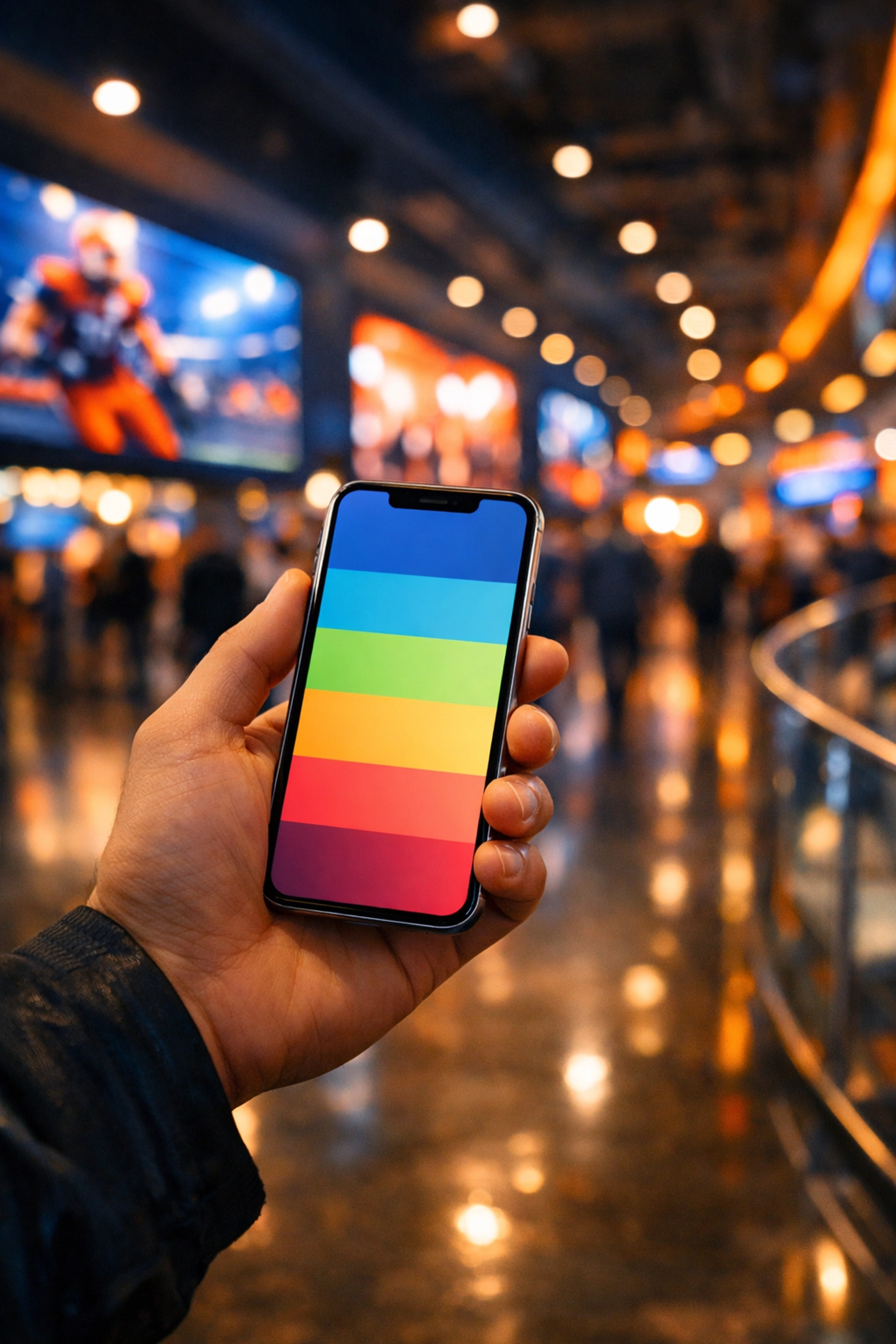
The integration of pDOOH with other digital channels is also a major trend. Omnichannel campaigns that retarget users on their mobile devices after they have seen a DOOH ad are becoming the standard. This creates a multi touchpoint journey that reinforces brand messaging and increases the likelihood of conversion. For an example of this in action, looking at the StackAdapt DSP partnership highlights how these integrations are driving the next wave of media buying.
Strategic Checklist for pDOOH Success
For those looking to enter the programmatic DOOH space, a few key steps are essential for ensuring a successful launch:
- Identify specific audience segments based on behavior and location data rather than just general demographics.
- Utilize dynamic creative that can change based on external triggers like weather or sports scores.
- Leverage a Demand Side Platform that provides access to a wide range of premium inventory.
- Establish clear attribution goals from the start, whether that is store foot traffic, website visits, or purchase consideration.
- Continuously monitor performance data to make real time optimizations throughout the campaign.
By following these steps, brands can capture their share of the growing DOOH market and drive significant results in an increasingly competitive landscape. The shift to programmatic is not just a trend, it is a fundamental change in how the physical world is used for advertising. Those who adopt these strategies now will be well positioned to lead in the future of sports marketing and beyond.