
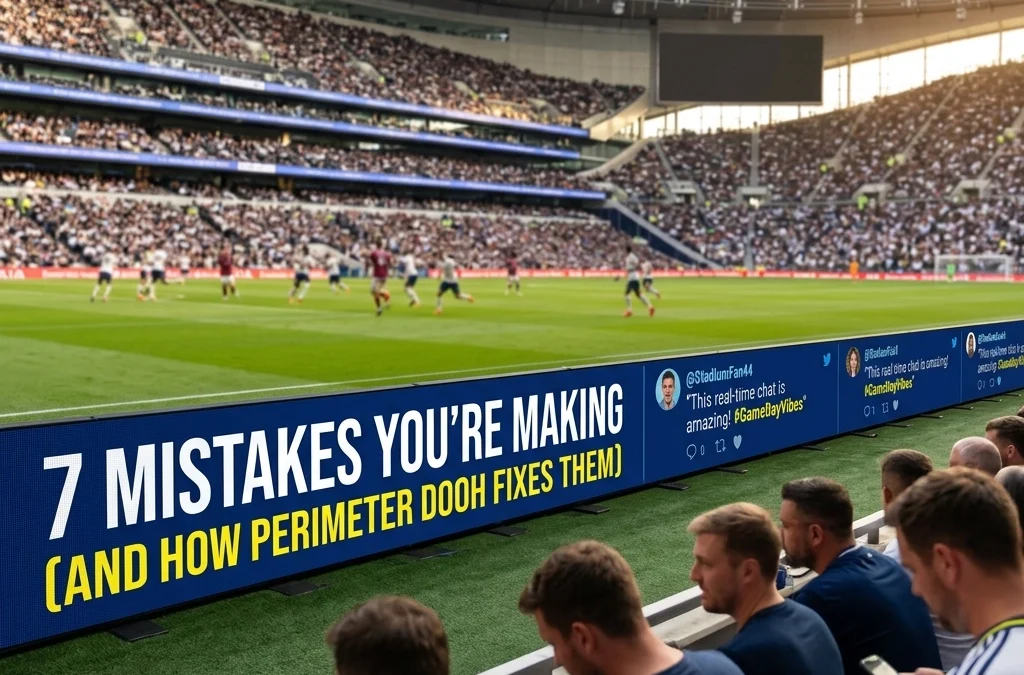
Fan engagement is no longer about simply putting a brand name on a scoreboard and hoping for the best. In the modern sports landscape, fans are more distracted than ever. They are checking stats on their phones, posting to social media, and engaging in sports betting, all while the game unfolds. Traditional advertising methods often struggle to break through this wall of digital noise.
When brands fail to evolve their stadium presence, they risk becoming background noise. Many creative directors and CMOs find that their traditional sports sponsorships are underperforming because they rely on outdated engagement models. Perimeter Digital Out-of-Home (DOOH) advertising offers a high-tech solution to these challenges, providing the agility, data, and visual impact needed to capture modern attention spans.
1. The Generic One-Size-Fits-All Strategy
The first and perhaps most common mistake is treating the entire stadium audience as a single, homogenous group. Broadcasting the same static message to every fan ignores the diversity of the crowd. A luxury car brand and a fast-food chain require different approaches to resonance, yet traditional static boards offer no flexibility to pivot based on the specific demographic in the seats or the tempo of the game.
Perimeter DOOH allows brands to move away from generic messaging. Through programmatic technology, advertisements can be swapped in real-time. This means a brand can tailor its creative based on specific data points, ensuring the message is relevant to the fans present. This level of precision is why programmatic DOOH vs traditional stadium ads has become a critical debate for modern media planners.
2. Disconnecting from the Digital Device
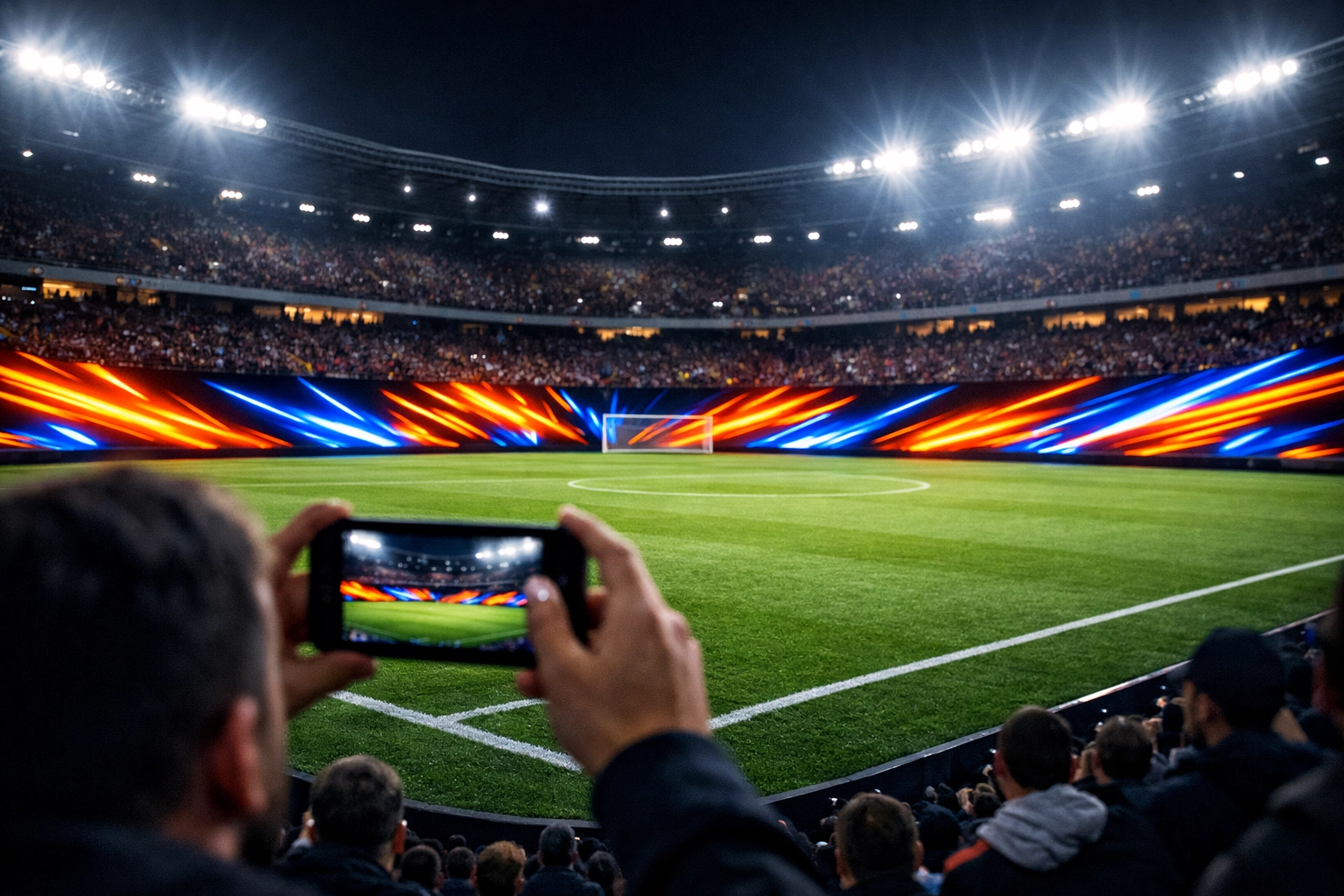
Approximately 85% of sports fans use a mobile device while watching a live event. A significant mistake brands make is viewing the stadium screen and the fan's smartphone as separate entities. When a brand treats a stadium ad as an isolated touchpoint, it misses the opportunity to drive immediate action.
Perimeter DOOH bridges this gap by acting as a catalyst for mobile engagement. By utilizing geographically targeted DOOH strategies, brands can sync their stadium creative with mobile retargeting. This omnichannel approach ensures that a fan who sees an ad on the perimeter board might later see a related offer on their device, reinforcing the brand message. This strategy has been shown to boost fan engagement by 90% when executed correctly.

3. Using Static Messaging in a Motion World
Humans are evolutionarily hardwired to notice movement. Static perimeter boards often fade into the landscape because they lack the dynamic energy of the game itself. When the action on the field is fast-paced, a non-moving advertisement feels out of place and uninspiring.
Digital perimeter boards solve this by allowing for high-definition video and animation. Movement catches the eye and holds attention longer than a static image. By integrating motion, brands can align their visual energy with the excitement of the sport. This is not just about being "flashy." It is about matching the environment. When the creative feels like a part of the event rather than an interruption, brand recall improves significantly.
4. Overlooking the Power of Real-Time Context
Timing is everything in sports. A brand that displays a generic "Buy Now" message during a high-stakes penalty or a crucial touchdown is missing the emotional context of the moment. One of the biggest mistakes in fan engagement is failing to react to what is actually happening on the field.
Perimeter DOOH offers the ability to launch real-time campaigns that convert. For example, sports betting brands can update odds instantly on stadium screens as the game progresses. This level of relevance is unattainable with traditional media. Brands that leverage real-time sports betting DOOH campaigns see much higher conversion rates because the call to action is perfectly timed with the fan's current mindset.
5. Neglecting the Pre and Post-Game Journey
Fan engagement does not start and end with the whistle. Many marketers focus solely on the "gameday window" and neglect the hours leading up to and following the event. If a brand only appears on the perimeter board during the game, it loses the opportunity to build a narrative.
The fix lies in an ecosystem-wide approach. Perimeter DOOH should be the centerpiece of a larger strategy that includes transit OOH and digital screens in the surrounding entertainment districts. By creating a consistent brand presence from the moment a fan leaves their house to the moment they leave the stadium, the impact is multiplied. Consistency across multiple touchpoints is a hallmark of successful fan-centric sports campaigns.
6. Relying on Vanity Metrics Instead of Attribution
For years, sports marketing relied on "estimated impressions" and "vague brand awareness" scores. This lack of concrete data is a major pitfall. Creative directors and CMOs today require proof of ROI to justify their budgets. Relying on guesswork is no longer an option in an era where digital channels offer precise tracking.
Perimeter DOOH, when powered by AI and programmatic platforms, provides sophisticated measurement tools. Marketers can now track brand lift, purchase consideration, and even foot traffic. For instance, campaigns for brands like White Claw have seen a 74% lift in purchase consideration by moving away from guesswork and toward data-driven DOOH.
7. Ignoring the Emotional High of the Game
Sports are fueled by emotion. Brands that remain detached and purely functional in their messaging fail to connect with the passion of the fanbase. A "brand-centric" approach often feels cold and corporate in a stadium setting.
The solution is to use perimeter DOOH to celebrate the sport. This could mean incorporating real-time stats, celebrating player milestones, or using the screens to lead fan chants. When a brand facilitates the fan experience, it earns "equity" with the audience. This emotional alignment is why AB InBev’s Mike’s Hard Iced Tea saw such a dramatic increase in brand image. They didn't just advertise. They became part of the celebration.
Strategy and Execution: How Perimeter DOOH Works
The transition from traditional signage to perimeter DOOH involves several strategic layers. Understanding the logistics of this technology is key for any brand looking to capture a share of the projected $50 billion DOOH sports market.
Objective and Strategy
The primary objective is to move from passive viewership to active engagement. The strategy involves deploying high-resolution LED perimeter boards that are connected to a central programmatic Demand Side Platform (DSP). This allows media planners to bid on specific "moments" or time slots across thousands of screens simultaneously.
Technology Partners and Mechanics
The execution relies on a network of connected digital screens, often numbering in the tens of thousands across various venues. By using platforms like the StackAdapt DSP, brands can manage omnichannel campaigns from a single dashboard. This technology identifies when a specific target audience is likely to be present and triggers the creative accordingly.
Measurement and Analytics
Measurement is conducted using AI-powered analytics. These systems track exposed device IDs, allowing marketers to see how many fans saw the perimeter ad and subsequently visited a store or searched for the brand online. This level of AI-powered DOOH measurement eliminates the ambiguity that once plagued sports sponsorships.
Results: The Proof in the Data
The shift toward digital perimeter advertising is driven by measurable success across various industries. The data consistently shows that DOOH outperforms traditional static methods in both brand resonance and purchase intent.
- Purchase Consideration: Sea-Doo’s first digital OOH campaign resulted in a 144% increase in purchase consideration. By focusing on the right locations and high-impact digital visuals, they moved the needle significantly more than traditional media would allow.
- Brand Image: For brands looking to reshape how they are perceived, DOOH provides a high-authority environment. Massive digital screens around a pitch or court convey a sense of scale and importance that smaller, static formats cannot match.
- Market Growth: The industry is seeing a massive shift in budget allocation. Current trends suggest that 67% of media planners are shifting their budgets toward digital sports advertising, moving away from legacy sponsorship models that lack measurement.

The Path Forward for Sports Marketers
Avoiding these seven common mistakes requires a shift in mindset. It is no longer enough to be "present" at a sporting event. Brands must be active, relevant, and data-driven. Perimeter DOOH provides the tools necessary to meet these requirements.
By utilizing motion, embracing real-time data, and ensuring cross-device connectivity, creative directors can craft campaigns that truly resonate with fans. The era of guessing the impact of a stadium sign is over. With 25,000 digital screens changing the landscape, the opportunity to capture fan attention has never been greater. For those ready to lead the charge, OOH Sports provides the platform and expertise to turn stadium perimeter advertising into a high-performing growth engine.